

Views: 0 Author: Site Editor Publish Time: 2026-11-27 Origin: Site


You invest in a frameless glass shower door for a clean, modern look. Months later, you notice the bottom sweep or side strip turning a murky yellow. Many homeowners mistake this discoloration for surface grime like soap scum or hard water deposits. They waste time scrubbing the plastic with household bleach or abrasive pads. This approach fails. True yellowing is irreversible polymer degradation, not just dirt. Scrubbing degraded plastics with harsh chemicals damages the tempered glass and ruins surrounding silicone joints. Understanding the technical realities of PVC degradation saves you time and frustration. We will walk through an evidence-based framework to evaluate your current hardware. You will learn how to select and install a replacement engineered for long-term clarity.
True yellowing in a clear shower door seal is a one-way chemical reaction caused by UV exposure, plasticizer migration, and harsh cleaning agents, not just surface dirt.
Aggressive cleaning with bleach or ammonia accelerates polymer breakdown; if a mild solvent or dish soap doesn't remove the yellowing, the seal must be replaced.
Upgrading to an Anti UV PVC Shower Seal significantly extends the lifespan and visual clarity of the enclosure compared to standard, commodity-grade plastics.
Proper sizing, profile matching, and adherence to strict Shower Seal Quality Control standards are critical for preventing water leaks, retaining steam, and avoiding premature discoloration.
A functional shower sweep must deliver optical clarity, structural flexibility, and reliable water retention. It also dampens impact sounds when heavy glass doors close. The bathroom environment constantly attacks these baseline traits. When you observe Clear Shower Door Seal Yellowing, you are witnessing a complex chemical breakdown.
Photo-oxidation destroys transparent polymers. You might think indoor fixtures are safe from sun damage. However, indirect natural light from frosted windows carries enough ultraviolet radiation to initiate degradation. Artificial UV from fluorescent and high-intensity LED lighting also bombards the plastic. This radiation breaks down the molecular bonds within a standard PVC Shower Door Seal. The long polymer chains fracture and reorganize. The earliest visual symptom is a uniform, hazy yellow tint spreading across the strip. As photo-oxidation progresses, the plastic loses elasticity. You will notice severe brittleness and micro-cracking along the flex points. Eventually, the sweep fails to maintain a watertight barrier against the threshold.
People often assume bleach will whiten a yellowed plastic strip. Exposing clear plastics to bleach, ammonia, or acidic tile descalers triggers destructive chemical reactions. These solutions attack the polymer matrix. They strip essential plasticizers directly from the PVC. Plasticizers keep the material soft and pliable. Once aggressive cleaning agents leach them out, the material shifts from transparent to a murky yellow or dark brown. This chemical damage is permanent. Continuing to apply harsh cleaners accelerates the complete structural failure of the sweep. I have seen countless homeowners ruin brand-new sweeps in weeks by soaking them in undiluted bleach.
You must differentiate between actual polymer yellowing and surface-level mineral oxidation. Homes with hard water expose fixtures to constant mineral scaling. Calcium, magnesium, and iron dissolve in the water supply. Porous, low-grade plastics trap these minerals immediately. The trapped iron and calcium oxidize in the humid environment. They create a stubborn, crusty yellow or orange tint. This mineral crust mimics total material failure. However, it originates from external deposits solidifying on the surface.
Symptom | Polymer Degradation | Hard Water Oxidation |
|---|---|---|
Texture | Smooth but brittle, prone to cracking | Rough, crusty, chalky surface |
Color Pattern | Uniform yellowing throughout the plastic | Patchy orange or white spots |
Flexibility | Stiff, rigid, loses memory | Remains somewhat flexible underneath scale |
Response to Vinegar | No change in color or clarity | Scale dissolves, revealing clear plastic |
Shower sweeps are highly susceptible to biological attacks. Abrasive cleaning sponges create micro-abrasions on the plastic surface. These scratches become microscopic anchor points for bacterial and fungal growth. Serratia marcescens is a common airborne bacterium in damp environments. It feeds on phosphorus and fatty acids from soap residue. This forms a distinct pink, orange, or yellow biofilm. The tight crevices where the rigid part of the sweep grips the glass trap moisture and mold spores. Biological staining frequently penetrates deep into the plastic matrix. Once mold roots itself inside the porous structure, wiping the surface proves completely ineffective.
Before buying new hardware, determine if the discoloration is a removable stain or permanent damage. A systematic evaluation saves time and prevents unnecessary replacement costs.
Conduct a safe, non-destructive test by removing the hardware from the glass door. Cleaning the sweep while attached fails to reach trapped grime inside the grip. Most sweeps slide right off the bottom or side edge with gentle lateral pressure.
Grip the end of the sweep and pull laterally to slide it off the glass.
Prepare a testing bath using a 50/50 solution of warm water and distilled white vinegar.
Submerge the strip completely in the solution.
Allow the plastic to soak undisturbed for exactly ten minutes to break down mineral scale.
Agitate the surface gently with a soft-bristle brush or microfiber cloth.
Rinse with clean water and inspect the clarity.
If this ten-minute soak yields zero visual improvement, the polymer structure has permanently changed. Replacement is mandatory.
When gentle cleaning fails, users often escalate to abrasive scouring pads and industrial-strength chemicals. Forcefully scrubbing a degraded strip introduces severe risks. Abrasive pads scratch the adjacent tempered glass. These permanent cloudy marks ruin the frameless look. Aggressive chemicals run off the plastic and degrade the surrounding silicone caulking on the stationary frame. This leads to hidden water leaks behind the tile and structural rot. Excessive physical force creates microscopic tears in the plastic fin. These micro-tears exacerbate water leakage onto the bathroom floor. They also compromise the acoustic dampening properties meant to soften the impact of a closing door.
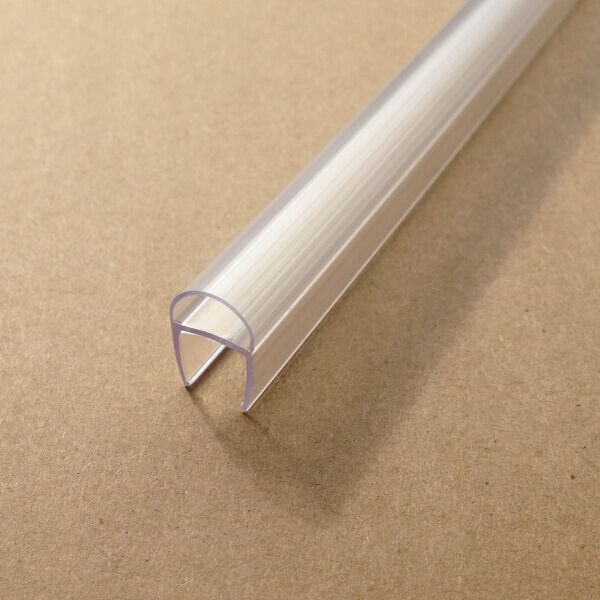
Sourcing a replacement requires looking beyond basic dimensions. Understanding the technical specifications behind a Super Clear Shower Seal ensures you select a product engineered for longevity in humid environments.
An Anti UV PVC Shower Seal incorporates specialized chemical stabilizers during the high-heat extrusion process. These additives actively absorb or reflect ultraviolet radiation. They shield the vulnerable polymer chains from photo-oxidation. Untreated commodity plastics begin to discolor and stiffen within a few months of exposure. UV-stabilized alternatives maintain their optical clarity for significantly longer periods. They effectively double or triple the functional lifespan of the hardware under identical environmental conditions.
Plasticizers are chemical additives responsible for maintaining the flexibility of the sweep's lower fin or side bulb. This flexibility creates a dynamic, watertight barrier against the threshold. Poor-quality manufacturing allows these plasticizers to migrate to the surface and wash away down the drain. Plasticizer migration is a primary catalyst for severe yellowing and physical stiffening. Premium manufacturing processes lock these additives securely within the polymer matrix. The fin remains pliable, transparent, and highly functional year after year.
The purity of raw materials dictates the final product's durability. Strict Shower Seal Quality Control protocols ensure extrusion consistency. They strictly prevent the inclusion of recycled, degraded plastics. Manufacturers who cut corners mix virgin PVC with recycled plastic scrap. This introduces microscopic impurities prone to rapid discoloration and structural failure. Rigorous quality oversight guarantees a uniform, crystal-clear profile free from internal defects or air bubbles.
Selecting the correct replacement involves balancing material quality, exact physical dimensions, and functional requirements. A methodical approach guarantees a perfect fit and eliminates water leaks.
Accurate measurements are the most critical step. Guessing the thickness of your glass results in a sweep that falls off or refuses to slide onto the door. Measure the exact thickness of your glass door using digital calipers or a precise tape measure. Next, measure the vertical gap between the bottom edge of the door and the tile threshold.
Bottom sweeps with drip rails: Designed with an angled deflector to direct water back into the shower basin while a lower fin seals the gap against the threshold.
Bulb seals: Compressible, hollow tubes ideal for sealing the hinge side of the door or closing gaps against uneven walls.
Side sweeps: Straight, flexible fins used to seal the vertical space between two adjacent glass panels.
Frame seals: Specialized profiles positioned between the moving glass door and the stationary metal frame to prevent steam escape.
The base material dictates the performance and long-term clarity of the sweep.
Material Type | Clarity & Yellowing Resistance | Flexibility & Impact Reduction | Best Use Case |
|---|---|---|---|
Standard Flexible PVC | Low (Fastest yellowing rate) | High (Excellent water seal capability) | Short-term fixes, low-budget temporary projects |
Rigid Polycarbonate | High (Highly clear, exceptionally durable) | Low (Rigid structure, poor impact cushioning) | Stationary panels, high-impact commercial areas |
Co-extruded Anti-UV Blends | High (Optimal balance of clarity and lifespan) | High (Flexible lower fins, rigid upper grip) | Premium residential frameless glass enclosures |
Co-extruded blends offer the best of both worlds. They utilize a rigid spine to grip the glass securely without adhesive. They deploy flexible, UV-resistant lower fins to manage water flow and cushion the door against impacts.
Scrutinize the manufacturer's specifications regarding UV resistance and expected lifespan. Be wary of marketing claims promising lifetime clarity. No transparent plastic is entirely immune to environmental degradation over decades of daily use. Establish realistic expectations. A high-quality, UV-stabilized Clear Shower Door Seal delivers 12 to 24 months of pristine clarity in a heavy-use residential environment before requiring replacement.
Proper installation techniques prevent immediate damage to the new hardware. They establish a clean foundation for long-term clarity.
Never pull the old, stiffened strip straight down toward the floor. This motion places severe stress on the glass hinges and pulls the heavy door out of alignment.
Open the shower door halfway to access both sides of the glass.
Grip one end of the strip firmly and slide it laterally off the edge of the glass.
Inspect the bare glass edge for hard water scale, soap scum, or leftover adhesive.
Apply a safe solvent like diluted white vinegar to the glass edge.
Use a specialized glass scraper to remove stubborn mineral deposits.
Wipe the glass completely dry with a lint-free microfiber cloth.
The glass edge must be perfectly smooth, clean, and dry before attempting the new installation.
Installing new hardware onto wet or dirty glass traps contaminants underneath the plastic. These trapped minerals and bacteria accelerate future yellowing from the inside out. Ensure the glass is completely dry and sterile.
Apply a high-quality glass sealant or hydrophobic water repellent to the freshly cleaned glass edge before sliding the new strip into place. This invisible protective coating prevents hard water spots from forming under the plastic. It protects the clear glass and the new seal simultaneously.
When cutting the new strip to the exact length of your door, use a fine-tooth hacksaw, a rotary tool, or specialized PVC snips. Using standard household scissors crimps and crushes the rigid plastic spine. This creates permanent stress fractures that compromise the grip on the glass.
The first month of use dictates the long-term success of the installation. Implement a strict preventative maintenance schedule immediately. Squeegee the plastic fins along with the glass after every single use to remove standing water and soap residue. Ensure proper bathroom ventilation by running the exhaust fan for at least twenty minutes post-shower. This eliminates airborne moisture and lowers ambient humidity. Once a month, slide the strip completely off the door for a quick wash with a pH-neutral cleaner. This routine protects the new polymer from hidden mold buildup and mineral calcification.
Measure your glass door thickness using digital calipers to ensure you purchase the exact profile match for your enclosure.
Remove your current discolored sweep and perform a ten-minute vinegar soak test to confirm if the polymer has permanently degraded.
Order a co-extruded replacement sweep featuring integrated UV inhibitors to maximize the lifespan of your new hardware.
Clean and seal the bottom edge of your glass door with a hydrophobic coating before sliding the new sweep into place.
A: No. Bleach accelerates polymer breakdown. While it kills surface mold, it chemically strips essential plasticizers from the PVC matrix. This reaction fails to remove true structural yellowing and ruins the seal's flexibility, making it brittle and prone to cracking.
A: A high-quality, UV-stabilized seal typically lasts between 12 to 24 months in a standard residential environment. This timeline depends heavily on local water quality, the amount of ambient UV exposure, and adherence to a proper, non-abrasive maintenance routine.
A: Standard PVC lacks chemical protection and degrades quickly under light exposure. An Anti-UV PVC seal incorporates specialized chemical stabilizers during manufacturing. These additives actively absorb or reflect ultraviolet radiation, preventing the photo-oxidation that causes rapid yellowing and brittleness.
A: Rapid yellowing is caused by a combination of destructive factors. Using harsh chemical cleaners, lacking proper bathroom ventilation, trapping hard water minerals in the plastic's crevices, and installing low-grade, untreated plastics all accelerate the chemical breakdown of the seal.
A: Always slide the seal completely off the glass door first. Soak the plastic in a mild acid solution, such as a 50/50 mix of warm water and white vinegar, for ten minutes. Use a soft cloth or gentle dish soap instead of abrasive scrubbing pads.
A: Polycarbonate offers superior optical clarity and higher resistance to yellowing compared to standard PVC. However, the trade-off is flexibility. Polycarbonate is highly rigid, making it less effective at cushioning door impacts and less adaptable for creating flexible, watertight lower fins.
A: Perform a simple ten-minute soak test. Remove the seal and submerge it in warm water with a mild detergent or vinegar. If gentle agitation yields zero visual improvement after soaking, the material has suffered permanent structural degradation and must be replaced.


