

Views: 0 Author: Site Editor Publish Time: 2026-04-27 Origin: Site


Ignoring a dripping shower costs you dearly over time. Hidden water damage ruins subfloors surprisingly fast. Stubborn mold accumulation creates highly unsanitary bathroom conditions. Buying a replacement seal often brings pure frustration when it completely fails to stop the water. Many homeowners realize too late there is no universal Shower Seal on the market.
A barrier's efficacy depends entirely on its cross-sectional shape matching your exact leak point. The chosen material must also survive your bathroom's specific humidity levels and daily temperature fluctuations. A simple guessing game at the hardware store rarely results in a watertight enclosure. You need a systematic approach to identify the right profile for your specific glass door.
We provide an evidence-based evaluation framework to solve this frustrating issue permanently. You will learn how to diagnose your specific leak accurately. We guide you through selecting the correct geometric shape and the most durable material. You will also discover how to avoid common installation pitfalls. Follow this comprehensive guide to restore a fully watertight, pristine shower enclosure.
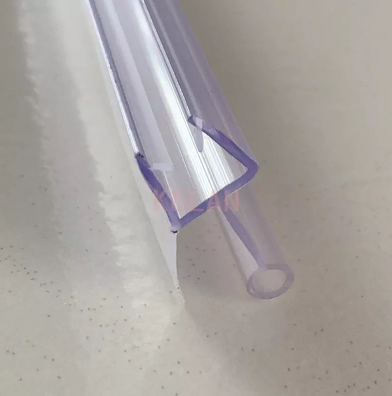
Match Shape to Location: Bottom leaks require sweep seals with drip rails, while side gaps require magnetic or T-shape/F-shape strips.
Precision Matters: Purchasing a 10mm seal for an 8mm glass door guarantees failure. Always measure glass thickness with calipers before evaluating options.
Material Dictates Lifespan: Standard PVC is cost-effective but degrades in 1–2 years; co-extruded PVC with anti-mold additives or 100% silicone can last 5–15 years.
Frameless vs. Framed Realities: Replacing seals on frameless doors is an easy DIY snap-on job. Replacing U-channel seals inside metal frames often requires professional glass removal.
We often blame our glass doors when puddles appear on the bathroom floor. However, the true culprit is usually a compromised plastic barrier. Understanding exactly why your previous enclosure failed prevents future purchasing mistakes.
Constant exposure to harsh bathroom elements destroys basic plastics quickly. Sunlight streaming through bathroom windows breaks down the chemical bonds inside standard vinyl. Hard water deposits stubborn mineral scales directly onto the soft plastic fins. Daily soap scum exposure accelerates this invisible chemical breakdown further. Over time, these combined forces cause clear plastics to yellow drastically. They lose their natural flexibility and slowly shrink away from the glass surface. Once a fin becomes overly brittle, it easily cracks under normal daily friction.
Many eager buyers simply guess their glass thickness before shopping. Purchasing an oversized barrier creates a highly deceptive "close enough" trap. An oversized profile leaves microscopic gaps between the hard glass and the plastic spine. Capillary action acts like a vacuum, pulling water upwards through these tiny channels. The water then drips down the outside of your glass panel onto the floor. You must secure a completely flush, airtight fit to stop capillary action entirely.
Installing the wrong cross-sectional shape guarantees almost immediate failure. You cannot use a static gap-seal on a high-friction pivot door. The daily grinding motion aggressively tears the delicate fin prematurely. Pivot doors require overlapping mechanisms or magnetic closures to handle this radial friction smoothly. Conversely, swinging doors absolutely need downward-facing sweep deflectors. Misaligned shapes wear out in mere months, forcing you to repeat the replacement process.
Choosing the correct profile requires analyzing where the water escapes. The chart below maps common leak zones to their highly specialized seal shapes.
Leak Zone | Recommended Shape | Core Function | Ideal Enclosure Type |
|---|---|---|---|
Bottom Door Gap | Sweep Seals / Drip Rails | Deflects water inward; blocks threshold puddles. | Frameless Swinging Doors |
Between Glass Panels | T-Shape, F-Shape, or 135° | Creates an overlapping, airtight moisture barrier. | Sliding & Multi-Panel Doors |
Door Closures & Edges | Magnetic Profiles | Snaps shut seamlessly; eliminates vertical seams. | Pivot & Bi-Fold Doors |
Hinges & Wall Gaps | U-Shape or L-Shape | Cushions raw glass edges; blocks hinge leaks. | Hinge-Side Waterproofing |
Water runs rapidly down vertical glass surfaces during a typical shower. Gravity causes it to pool heavily at the bottom threshold. Sweep seals feature a rigid gripping spine alongside multiple soft, flexible fins. A designated inner drip rail actively deflects cascading water back into the shower tray. The lower fins simultaneously sweep across the threshold to block escaping puddles. These specific profiles work best on standard frameless swinging doors.
Sliding doors inherently create vulnerable vertical gaps between passing panels. High-pressure water easily splashes through these overlapping glass sections. T-shape and F-shape profiles create a reliable, overlapping airtight barrier. They attach firmly to the raw edge of one moving glass panel. Their extended fins bridge the empty gap to comfortably meet the adjacent fixed glass. Use these overlapping profiles exclusively for sliding doors or complex multi-panel enclosures.
Pivot doors require a secure mechanical closure to prevent heavy splashing. Magnetic profiles cleverly encase multi-pole magnets directly inside waterproof vinyl housings. Two opposing magnetic strips snap tightly together the moment the door closes. This magnetic action eliminates the vulnerable vertical seam entirely. It provides a highly satisfying, completely watertight seal every single time. They serve as the ideal solution for frameless pivot doors and folding bi-fold enclosures.
The hinge side of a heavy glass door suffers intense mechanical stress. Water easily escapes through the necessary hinge hardware cutouts. U-shape and L-shape profiles wrap securely around the raw glass edge. They actively cushion the fragile glass against heavy metal hardware or hard tiled walls. They provide excellent hinge-side waterproofing alongside crucial daily impact protection.
We must evaluate base materials carefully before making a purchase. The wrong material selection inevitably leads to frustrating premature replacements.
Translucent PVC (Polyvinyl Chloride):
Pros: This standard material remains highly affordable for budget-conscious buyers. It cuts very easily using standard household scissors or utility knives. The plastic flexes just enough to accommodate very slight glass curves without snapping.
Cons: Basic PVC remains highly susceptible to severe yellowing over time. It regularly suffers from low-temperature brittleness in colder, unheated bathrooms. You should realistically expect to replace basic PVC barriers every 1–2 years.
Co-Extruded PVC / Polycarbonate:
Pros: Co-extrusion expertly merges two different plastic densities simultaneously during manufacturing. It utilizes a highly rigid polycarbonate spine for maximum grip strength. It pairs this rigid spine alongside ultra-soft vinyl fins for superior waterproofing. Premium manufacturers often treat these materials using integrated anti-mold inhibitors. They proudly offer excellent, long-lasting visual clarity.
Cons: This advanced manufacturing process carries a slightly higher initial upfront cost. The aggressively rigid spine makes it much harder to install manually on curved glass enclosures.
Silicone & Rubber:
Pros: These premium materials offer truly extreme temperature resilience year-round. They boast unmatched UV resistance against harsh incoming sunlight. Their expected lifespan stretches impressively between 5 and 15 years under normal use. They remain highly flexible permanently. You can easily wrap them around complex custom or heavily curved enclosures.
Cons: Natural rubber unfortunately lacks modern glass-like transparency, looking bulky. Pure silicone often refuses to grip wet glass tightly on its own. It frequently requires specialized adhesive tape for secure, long-term mounting.
Installing shower seal strips correctly prevents immediate buyer's remorse and wasted effort. Thorough preparation always dictates the ultimate success of your waterproofing project.
The global glass industry follows incredibly strict thickness manufacturing standards. Residential shower enclosures typically utilize 6mm, 8mm, 10mm, or 12mm glass panels. You must measure this specific dimension accurately before doing anything else. We highly recommend using digital calipers for exact, undeniable precision. A rigid metal tape measure works only if you read the millimeter markings perfectly. Guessing the thickness guarantees either a uselessly loose fit or an impossible installation.
Standard glass doors rarely match pre-cut retail sizes perfectly out of the box. We strongly advise buying slightly longer profiles to allow for safe cutting tolerances. We recommend using heavy-duty shears for trimming thin vinyl sections smoothly. Use a fine-tooth hacksaw for cutting through thick, rigid polycarbonate spines safely. You must file the freshly cut edges incredibly smoothly afterward. Sharp plastic corners will progressively scratch your expensive floor tiles over time.
We must transparently address the severe risks associated with framed enclosures. Frameless doors happily allow for an easy, tool-free snap-on replacement. Conversely, framed doors trap old U-seals deeply inside rigid metal tracks. Removing these deeply embedded strips often requires fully detaching the heavy glass panels. This intimidating process poses a remarkably high shatter risk for amateurs. This high-stakes task remains much better suited for experienced glass professionals.
What separates premium waterproofing products from cheap retail alternatives? You must demand three specific features from high-quality vendors before purchasing.
Humid bathrooms intuitively provide the perfect breeding ground for toxic black mold. Cheap plastics utilize simple surface coatings to quickly repel initial water droplets. These weak coatings completely wash off after a few months of routine cleaning. You should actively look for profiles manufactured utilizing fully integrated mold inhibitors. The active anti-fungal chemical remains safely inside the plastic structure permanently, resisting mold organically.
Nobody wants a dark yellow plastic strip ruining their beautiful transparent enclosure. You must prioritize vendors explicitly utilizing pure virgin materials. Recycled plastics natively contain numerous chemical impurities from previous lifecycles. These hidden impurities rapidly accelerate premature yellowing when routinely exposed to UV light and hot steam. High clarity retention keeps your bathroom looking brand new.
Sometimes a tight friction-fit proves far too difficult to install manually. Buyers uncomfortable pressing hard plastic forcefully onto fragile glass possess excellent alternative options. We suggest thoroughly evaluating pre-taped profiles. These modern adhesive-backed strips utilize specialized VHB (Very High Bond) tape designed specifically for high-moisture environments. They make the final installation much safer and easier for non-standard doors.
The ideal water barrier fundamentally relies on accurate matching rather than blind luck. The absolute best choice accurately matches your specific door architecture, distinguishing clearly between framed and frameless setups. You must precisely measure your bare glass thickness to the exact millimeter. Selecting a barrier based on long-term material stability ultimately saves you considerable money compared to choosing the lowest upfront retail cost.
Take these practical next steps to permanently resolve your bathroom leaks:
Thoroughly clean your raw glass edge using hard water stain remover and rubbing alcohol.
Measure your exact glass thickness using precise digital calipers.
Identify your specific leak zone by carefully observing water flow during your next shower.
Select the corresponding geometric shape mapped to your leak zone to restore a completely watertight barrier securely.
A: Standard PVC requires replacement every 1 to 2 years, or immediately if the fins become brittle, cracked, or severely discolored. Silicone alternatives can last over 5 years.
A: For frameless glass, high-quality co-extruded seals are "friction-fit" and snap on securely without glue. Glue or specialized VHB tape is typically only required for rubber/silicone seals or heavily curved glass.
A: Either the seal fins are too long for your specific threshold clearance, or the glass thickness measurement was slightly off, preventing the seal from pushing fully up onto the edge. Trim the bottom fin carefully with a craft knife to adjust the fit.
A: Hard rigid PVC or polycarbonate will snap if forced. For curved glass, you must purchase pre-curved seals, specialized flexible vinyl, or high-grade silicone strips.


