

Views: 0 Author: Site Editor Publish Time: 2026-05-02 Origin: Site


Bathroom water damage often costs thousands in structural repairs. Yet, avoiding these massive bills requires only a minimal investment in proper water barrier components. A standard Shower Seal operates as a watertight barrier, keeping moisture inside the enclosure where it belongs. Meanwhile, shower seal trim goes a step further. It specifically adds crucial edge protection and a clean aesthetic finish to your glass panels.
This article serves as your comprehensive buyer’s evaluation guide. We will explore structural protection mechanisms, evaluate material selection criteria, and unpack the realities of daily implementation. You will learn how to defend your bathroom against hidden leaks and preserve your renovation investment. Understanding these small but vital components empowers you to make informed maintenance decisions.
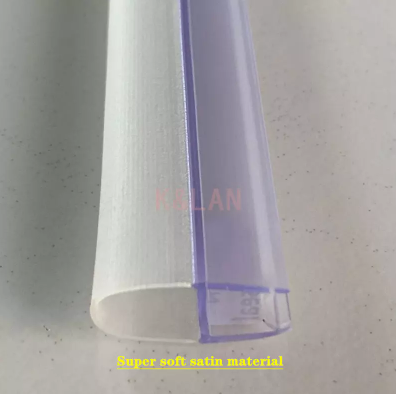
Structural Defense: High-quality shower seals prevent moisture from compromising subfloors and drywall, mitigating expensive mold remediation.
Material Matters: The longevity of your seal depends on avoiding cheap fillers; quality PVC or silicone should resist yellowing and hard water degradation.
Custom Fit: Selection must align with glass thickness (standard 6mm–12mm) and door type (framed vs. frameless).
Maintenance Lifecycle: Even premium seals are wear-items, typically requiring replacement every 1–2 years depending on usage and local water hardness.
Water behaves unpredictably when escaping a shower enclosure. Capillary action actively pulls escaping moisture into microscopic crevices around your bathroom floor. Constant micro-leaks quickly saturate the porous grout lines outside the shower area. Once water breaches the tile barrier, it targets your wooden subfloors and drywall substrates. Wet subfloors swell, warp, and eventually rot. Fixing a rotten bathroom subfloor demands tearing out tiles, replacing joists, and rebuilding the foundation. A functional barrier prevents this catastrophic structural failure.
Fungal growth requires moisture, warmth, and organic material to thrive. Bathrooms naturally provide warmth. Dust and drywall paper provide the organic food source. By eliminating standing water outside the shower footprint, you remove the primary environmental catalyst for mold. Consistent moisture control stops mildew before it starts. This proactive approach protects indoor air quality and keeps your family safe from respiratory irritants.
Modern bathroom renovations represent significant financial investments. You want to protect high-end vanities, painted baseboards, and delicate flooring materials. Think of a dependable edge profile as a low-cost insurance policy for your bathroom. Deflecting runoff prevents nearby custom cabinetry from absorbing water and peeling. It stops floorboards from cupping. These small preventative measures keep your newly remodeled space looking pristine for years.
Beyond waterproofing, these components serve a vital structural purpose for the glass itself. Glass edges remain vulnerable to chipping upon impact. Installing a robust trim molding absorbs daily mechanical shocks. When you close a heavy glass door, the molding cushions the strike. This protective layer maintains clean visual lines while physically safeguarding the fragile glass borders.
Selecting the correct profile requires matching the physical component to your specific door architecture. Industry standards accommodate glass thicknesses ranging from 6mm up to 12mm. Accurate measurement remains the crucial first step.
Bottom sweeps install directly at the base of the moving shower door. They feature a specialized downward deflector fin. This angled fin catches water running down the glass and redirects it back into the shower pan. Bottom sweeps are absolutely critical for preventing pools of water from forming on your bathroom floor after every shower.
Shower enclosures often feature vertical gaps between adjacent glass panels or between the glass door and the tiled wall. Side jamb seals close these open spaces. They use a flexible lip to bridge the gap. As the door swings shut, the lip compresses against the wall or opposing panel. This compression creates a reliable vertical water barrier.
Frameless glass enclosures often utilize double-opening doors. Magnetic options provide the most secure closure for these setups. They feature polarized magnetic strips encased in plastic tracking. When the doors approach one another, magnetic attraction snaps them seamlessly together. This tight closure withstands direct water pressure from showerheads far better than standard friction lips.
You will typically find U-shaped molding on fixed, stationary glass panels. These profiles wrap entirely around the exposed glass edge. They rely on a tight friction fit rather than messy silicone adhesives. This creates a highly consistent, watertight boundary along the bottom or side of a fixed glass pane.
Seal Category | Primary Location | Best Used For | Key Functional Feature |
|---|---|---|---|
Bottom Sweep (Drip Rail) | Base of moving door | Stopping floor puddles | Downward water deflector fin |
Vertical/Side Jamb | Door edges / Wall gaps | Sealing vertical hinge gaps | Compressible friction lip |
Magnetic Seal | Meeting point of doors | Frameless double doors | Polarized snapping closure |
U-Shaped Molding | Fixed panel edges | Stationary glass bases | Adhesive-free friction fit |
The structural design of your enclosure dictates the required material flexibility. Framed doors sit within metal tracks. They often utilize rigid vinyl or tough polycarbonate materials. These hard plastics deliver high impact resistance against metal frames. Conversely, frameless doors lack metal borders. They rely entirely on flexible PVC or pure silicone. These softer materials create tight friction-fits. They easily adapt to subtle misalignments between heavy glass panels.
Not all plastics offer the same durability. Low-quality manufacturers frequently dilute their plastic resins to cut costs. They mix heavy talc powder or calcium carbonate into the PVC base. This makes the product feel surprisingly heavy in your hand. However, these cheap fillers destroy the polymer chains. The resulting plastic becomes highly brittle. It will crack and fail within months of daily use. Always evaluate flexibility rather than just weight.
You can identify premium PVC or silicone through basic sensory checks. High-quality materials should never emit a harsh, toxic chemical odor. A strong chemical smell indicates cheap, unstable plasticizers. Furthermore, inferior plastics degrade rapidly under bathroom heat and ambient UV light. They turn cloudy and yellow very quickly. Premium materials feature UV stabilizers to maintain their clear, transparent appearance over time.
Bathrooms experience extreme temperature fluctuations daily. High-grade rubber and silicone can withstand these rapid shifts from cold to steaming hot. They maintain their specific "Shore hardness" rating regardless of the temperature. A stable Shore hardness means the material retains its firm sealing grip on the glass. Cheap plastics soften dangerously in hot water and shrink when cold, causing sudden leaks.
Installation success depends entirely on surface preparation. You must thoroughly clean the glass edge before applying anything new. Old adhesive residue and thick hard water stains create a bumpy surface. If you slide a new profile over dirty glass, you guarantee poor adhesion. Water will instantly bypass the barrier.
Recommended Preparation Steps
Pull the old plastic strip firmly off the glass edge.
Scrape away remaining adhesive using a plastic putty knife.
Scrub the glass edge using a 50/50 mixture of white vinegar and water to dissolve calcium deposits.
Dry the edge completely using a lint-free microfiber cloth before installing the new component.
Precision matters when altering plastic profiles. Always measure your door width twice before making a single cut. Advise using a sharp utility knife, a fine-tooth hacksaw, or specialized PVC shears. Do not use standard household scissors. Scissors crush and crimp the plastic channel during the cut. A crimped edge creates tiny structural deformations. These deformations act as permanent leak points at the corner of your door.
Consumers often misdiagnose the root cause of a leaky door. Addressing door misalignment ranks as the most common installation challenge. Heavy glass panels stress their metal hinges over time. If your shower door hinges have sagged, the door no longer sits square within the frame. Adding a new waterproof strip will not fix a sagging door. In fact, forcing a new strip onto a misaligned door often causes binding, preventing the door from closing entirely.
Evaluate your mechanical skills before attempting installation. We highly recommend the DIY approach for simple slip-on bottom sweeps. They require minimal tools and slide easily into place. However, we suggest professional consultation for complex hardware. Magnetic closures require exact alignment tolerances to snap together correctly. Structural U-channels often require specific compression techniques. A professional ensures these advanced systems function flawlessly.
Consumers often expect bathroom hardware to last forever. You must adjust this expectation regarding flexible plastic components. They act as consumable wear-items. Even premium materials experience intense daily friction, chemical exposure, and thermal shock. You should expect flexible shower seals to last roughly 1 to 2 years. After this period, structural fatigue and minor discoloration naturally occur.
Local water chemistry heavily influences component lifespan. Hard water contains high levels of dissolved calcium and magnesium. When splashed water dries on your glass, it leaves these jagged minerals behind. This mineral buildup acts like sandpaper against moving rubber lips. It accelerates the physical degradation of silicone. Homes with untreated hard water will require replacement components much more frequently.
Aggressive cleaning chemicals destroy plastic polymers faster than normal wear and tear. You must strictly avoid bleach, ammonia, and highly acidic tile cleaners. These harsh chemicals chemically attack the material. They strip the softening plasticizers directly out of the PVC. Once stripped, the plastic becomes rigid, shrinks, and splits open.
Do: Use mild dish soap and warm water for weekly cleaning.
Do: Use a soft sponge to gently wipe away soap scum.
Do Not: Apply concentrated bleach to remove mildew from the plastic lip.
Do Not: Scrub the sweeping fins with stiff-bristled brushes.
Evaluating and upgrading your bathroom's water barriers represents an essential exercise in asset protection. It goes far beyond simply keeping the floor dry after a morning wash. By understanding material science, measuring accurately, and recognizing the limitations of flexible plastics, you secure your home against unseen structural decay.
Quality components defend your subfloors and drywall from catastrophic rot.
Avoiding cheap fillers like talc powder ensures your plastics remain flexible and clear.
Proper surface preparation and precise cutting guarantee maximum watertight performance.
Treating these flexible barriers as consumable items prevents unexpected water damage.
Take immediate action to protect your bathroom. Inspect your current door edges today for signs of yellowing, physical brittleness, or escaped water tracking across the floor. Grab a measuring tape, determine your exact glass thickness, and browse high-quality replacement options before a minor drip turns into a major renovation.
A: Generally every 1–2 years, or immediately if you notice water pooling outside the shower, physical brittleness, or permanent discoloration. Hard water environments may require more frequent replacements due to accelerated mineral abrasion on the flexible fins.
A: No, the profiles and mounting mechanisms differ significantly. Frameless systems rely on tight friction fits directly on bare glass, while framed doors require rigid inserts that slide into metal tracks. Always match the seal type to your specific door architecture.
A: Common causes include cutting the seal too short, ordering a profile for the wrong glass thickness, or preexisting hinge sag. If the door hinges have dropped, the glass will not close flush, leaving gaps that no plastic lip can bridge.
A: Measure twice and use a sharp utility knife, a fine-tooth hacksaw, or specialized PVC cutters. This ensures a perfectly straight, un-crimped edge for maximum water tightness. Never use standard scissors, as they crush the plastic channel and create leak points.


