

Views: 0 Author: Site Editor Publish Time: 2026-06-07 Origin: Site


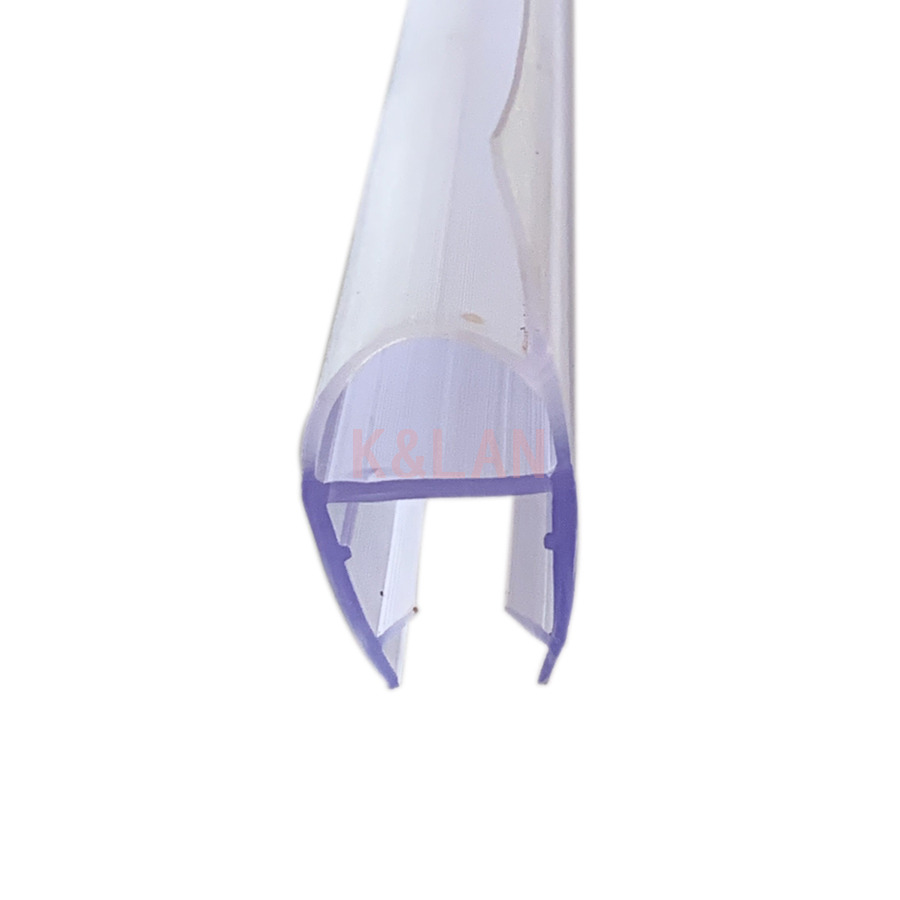
Repairing bathroom water damage frequently costs homeowners thousands of dollars in invasive structural renovations. Conversely, you can purchase preventative enclosure hardware for a minimal upfront cost. We often ignore minor moisture escapes until underlying structural issues force these expensive, disruptive repairs. Cheap, contractor-grade vinyl sealing strips represent a common and frustrating failure point in modern glass enclosures. You will likely notice these standard strips yellowing, cracking, or peeling rapidly after their initial installation. The resulting cycle of endless replacements wastes valuable time and resources.
Upgrading to a premium, durable Shower Seal becomes a functional necessity for preserving your home. You need proper hardware to maintain structural integrity and ensure optimal bathroom hygiene. In this comprehensive guide, we will explore why upgrading matters immensely for your enclosure. You will learn how to evaluate material compositions and select the precise hardware fit. Finally, we will uncover practical installation methods to guarantee enduring performance.
A high-quality shower seal prevents costly structural water damage and mold growth.
Evaluating material composition (e.g., polycarbonate vs. standard PVC) is critical for UV resistance and preventing premature brittleness.
Proper selection requires matching the seal profile (sweep, bulb, magnetic) precisely to glass thickness and door functionality.
Implementation errors—like installing on unclean glass or using incompatible cleaners—will severely degrade even a premium seal's lifespan.
Many homeowners view leaking shower doors merely as a frustrating daily annoyance. We mop up the small puddles and quickly move on. However, you must frame these minor leaks as a primary vector for severe home damage. Inadequate leak protection allows moisture to seep silently into hidden architectural crevices. Capillary action pulls escaping water directly under baseboards, tiles, and floorboards. Over time, this persistent moisture exposure inevitably leads to subfloor rot and drywall degradation. Replacing ruined joists and saturated drywall requires tearing apart the entire bathroom infrastructure.
Standard contractor-grade strips follow a highly predictable and rapid degradation curve. You can usually map the lifecycle of cheap seals through four distinct failure stages:
Mineral Hardening: Constant exposure to hard water calcium deposits removes the initial flexibility of the plastic.
Discoloration: Ambient bathroom lighting and natural UV exposure cause the clear material to develop an unsightly yellow tint.
Shrinkage: Daily fluctuations in bathroom temperature force the lower-grade vinyl to contract and pull away from the glass edge.
Physical Tearing: The hardened, shrunken fin eventually catches on the door threshold and tears away completely.
Compromised hardware also creates severe hygiene and air quality implications for your household. When vinyl shrinks and peels, it leaves tiny macroscopic gaps between the plastic and the glass surface. These warm, constantly damp crevices become ideal micro-environments for rapid mildew and black mold proliferation. Mold spores quickly transition the issue from a simple aesthetic problem into a documented environmental health hazard. Deep cleaning these microscopic gaps proves nearly impossible once fungal root structures embed themselves into degraded porous plastics.

Upgrading your bathroom hardware yields immediate and highly predictable waterproofing results. Premium strips utilize rigid-to-soft co-extruded designs to provide dynamic, active leak deflection. The rigid spine grips the glass firmly, while the softer fin sweeps the threshold. This dual-action design adapts seamlessly to minor door shifting and natural house settling. It deflects heavy water streams back toward the drain without ever losing frictional efficacy. You gain absolute confidence knowing water remains fully contained during every use.
You will also experience significantly reduced maintenance overhead. High-end materials inherently resist mineral buildup and aggressive fungal colonization. Manufacturers design these advanced polymers with completely non-porous surfaces. This smooth surface architecture prevents soap scum from anchoring securely to the plastic. Consequently, you reduce the frequency of intense deep-cleaning requirements. A simple wipe down easily removes surface moisture and daily residues.
Aesthetic longevity remains a major selling point for premium enclosure hardware. Homeowners invest heavily in frameless glass doors to achieve a clean, invisible aesthetic. Cheap strips ruin this visual appeal by turning brown or yellow within months. Upgraded materials feature built-in UV stabilizers and chemical resistance. They retain their brilliant optical clarity for years. A truly long-lasting seal preserves the floating, transparent look of your expensive frameless enclosure.
Beyond moisture control, premium hardware delivers valuable secondary physical benefits. These advantages vastly improve the daily comfort of your space:
Thermal Consistency: High-quality sweeps close air gaps tightly, keeping warm steam fully enclosed within the wet area.
Acoustic Dampening: Soft co-extruded fins absorb impact shocks, significantly dampening the loud clattering sound of closing glass doors.
Friction Reduction: Superior materials glide smoothly over thresholds, reducing the physical strain placed on glass door hinges.
Selecting the right material determines the entire lifespan and performance of your hardware. Standard Vinyl (PVC) represents the ubiquitous baseline material found in most hardware stores. It costs very little to produce and install initially. However, basic PVC proves highly prone to temperature-induced shrinkage. Hot water expands the plastic, while cold air contracts it. This constant thermal cycling quickly leads to structural fatigue. Furthermore, PVC suffers from rapid chemical degradation when exposed to common bathroom aerosols and daily shampoos.
Polycarbonate offers a fundamentally superior alternative for modern enclosures. Engineers utilize polycarbonate for applications requiring high impact resistance and structural memory. It boasts excellent optical clarity and superior resistance to stress cracking. Polycarbonate maintains its precise grip on heavy glass even after thousands of door swings. The material does not turn brittle when exposed to hard water minerals. Industry experts widely consider polycarbonate the gold standard for achieving enduring results.
Silicone provides a different set of advantages for highly specific architectural applications. It remains exceptionally flexible and highly temperature-resistant. Installers often utilize silicone for sealing non-linear gaps or custom curved glass cuts. However, silicone rarely functions well as a friction-fit mechanical component. It almost always requires highly precise adhesive applications to stay attached to door edges. If the adhesive fails due to moisture intrusion, the entire silicone strip falls off.
The most advanced solutions utilize co-extruded structural designs. Manufacturing this design involves permanently fusing two distinct types of plastic together simultaneously. Co-extrusion merges a highly rigid polycarbonate spine with a highly flexible fin. The rigid spine delivers an unyielding mechanical grip on the glass pane. The flexible fin handles dynamic water deflection against the tile threshold. This engineering marvel eliminates the need for messy adhesives entirely.
Material Type | Durability | Clarity Retention | Primary Use Case |
|---|---|---|---|
Standard Vinyl (PVC) | Low (1-2 Years) | Poor (Yellows Quickly) | Temporary fixes, budget flips |
Polycarbonate | High (5+ Years) | Excellent | Premium frameless doors, heavy daily use |
Silicone | Medium (2-4 Years) | Good | Curved glass, non-standard gaps |
Co-Extruded Plastics | Very High (5-10 Years) | Excellent | Dynamic gaps requiring both rigid grip and soft flex |
Achieving flawless waterproofing requires strict adherence to physical tolerances and precise measurements. You cannot simply guess your glass thickness by looking at it. Instead, you must measure the exact dimensions before purchasing replacement hardware. Purchase a cheap digital caliper to accurately assess the glass pane thickness. Common architectural glass thicknesses measure exactly 1/4", 5/16", 3/8", or 1/2". Buying a strip even slightly too large results in it sliding off immediately. Buying one slightly too small will physically crack the rigid spine during installation. You must also measure the exact gap width between the glass edge and the adjacent wall or threshold.
After determining your exact measurements, you must map the hardware profile to your specific door mechanics. Different zones of your enclosure require entirely different deflection strategies.
Hardware Profile Type | Location on Door | Core Functionality |
|---|---|---|
Bottom Sweeps | Underneath the door | Features drip rails to deflect cascading water back into the pan. |
Side / Jamb Seals | Hinge side or strike edge | Utilizes bulb or F-profiles to cushion impact and seal vertical gaps. |
Magnetic Seals | Meeting edges of doors | Provides a positive snap-closure for dual-swing configurations. |
You must also account for frameless versus framed architectural considerations. Frameless heavy glass enclosures rely entirely on the tension and friction of the plastic spine. These installations require profiles with extended rigid legs to ensure adequate mechanical grip. Visual profiles matter immensely here. You want low-profile, ultra-clear polycarbonate to maintain the invisible barrier effect. Conversely, framed doors often utilize hidden channels. These setups might require T-shaped slide-in sweeps rather than snap-on friction profiles.
Even the most expensive hardware fails rapidly if installed incorrectly. Surface preparation dictates the ultimate success of your project. You must follow a strict surface preparation protocol before attaching new components. Never install new plastics directly over old soap scum. You must meticulously remove all hard water scale, body oils, and old adhesive residues. Scrape the glass edge gently with a plastic razor blade. Finally, wipe the entire contact area thoroughly using 90% isopropyl alcohol. The alcohol flashes off quickly, leaving a pristine, high-friction surface for the new spine to grip.
Sizing and cutting mechanics present another major hurdle for DIY installers. Novices frequently attempt to trim rigid polycarbonate using standard household scissors. Scissors apply crushing mechanical pressure, which creates invisible micro-fractures along the rigid plastic spine. These microscopic cracks expand rapidly when exposed to hot bathroom environments, causing the component to split entirely. Instead, you must use a fine-tooth hacksaw (at least 32 TPI) or specialized miter snips. Cut the material slowly to ensure a clean, blunt edge that will not scratch surrounding fixtures.
Chemical compatibility constraints dictate your long-term maintenance strategy. You must strictly avoid exposing new plastics to harsh chemical agents. Explicitly restrict the use of concentrated bleach, heavy abrasive powders, and ammonia-based window cleaners near door edges. These aggressive chemicals leach the essential plasticizers out of the flexible fin. Once depleted of plasticizers, the sweeping fin becomes rigid, curls upward, and loses its deflection capabilities. Clean your hardware gently using mild dish soap, warm water, and a soft microfiber cloth.
A durable hardware upgrade represents a high-ROI preventative measure against catastrophic water damage. It is never just an aesthetic accessory; it is a vital functional barrier protecting your home's structural integrity. Investing in co-extruded polycarbonate prevents subfloor rot, stops mildew proliferation, and saves thousands in future repair bills. The minimal upfront cost vastly outweighs the financial risks of ignoring deteriorating strips.
Before proceeding, take immediate action by physically measuring your glass thickness. Acquire a digital caliper to document both the pane thickness and the clearance gap accurately. Armed with precise measurements, you can confidently navigate supplier catalogs without fearing incorrect fitment.
Stop relying on inadequate hardware that fails every few months. Review an authoritative sizing guide today to match these specific enclosure tolerances with premium replacement options.
A: A premium polycarbonate or co-extruded profile typically lasts between 2 to 5 years. Expected lifecycles depend heavily on local water hardness, daily usage frequency, and maintenance routines. Homes with high mineral content in their water may require replacements closer to the two-year mark due to faster calcification on the flexible fin.
A: No. High-quality polycarbonate sweeps utilize a mechanical friction fit. The rigid spine is engineered to grip the glass tightly without chemical assistance. Relying on silicone adhesive is generally a crutch used when installers purchase incorrectly sized hardware that slips off the glass edge.
A: Discoloration results from a combination of UV light exposure, hard water calcification, and chemical degradation. Standard PVC plastics react poorly to ambient sunlight and harsh bleach-based bathroom cleaners. Upgrading to UV-stabilized polycarbonate significantly delays this undesirable yellowing process.
A: No. Enclosure hardware relies on strict manufacturing tolerances. A component designed for 1/2-inch glass will instantly fall off a 3/8-inch pane. Conversely, forcing a smaller profile onto thicker glass will crack the rigid spine. Always avoid products making unrealistic "one-size-fits-all" claims.


