

Views: 0 Author: Site Editor Publish Time: 2025-08-29 Origin: Site


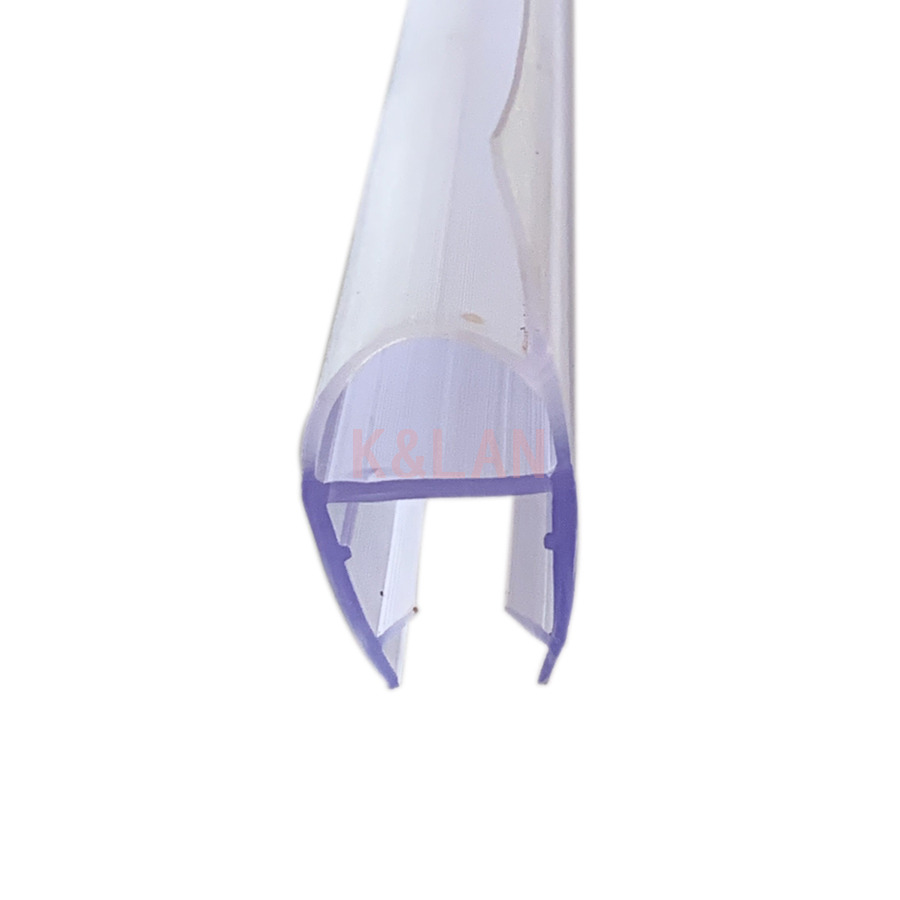
A leaking shower can be a significant inconvenience, not only affecting the aesthetics of your bathroom but also posing potential safety hazards. Wet floors increase the risk of slips and falls, and continuous water leakage can lead to mold growth and structural damage. Fortunately, there are solutions available to mitigate these issues, with shower seals being one of the most effective. This article explores the various types of shower seals, their installation, and maintenance, providing insights into how they can prevent leaks and enhance your bathroom's functionality. For more information on selecting the right shower seal, visit our Shower Seal page.
Shower seals are essential components designed to prevent water from escaping the shower enclosure. They are typically made from materials like rubber, vinyl, or polycarbonate, and are installed along the edges of shower doors. These seals come in various forms, including bottom seals, side sweeps, and magnetic seals, each serving a specific purpose in maintaining a watertight shower environment.
The selection of a shower seal depends on the design of your shower enclosure and the specific areas prone to leaks. Here are some common types:
Bottom Seals: Installed at the bottom of the shower door, these seals prevent water from leaking out onto the bathroom floor. They are suitable for both framed and frameless doors.
Side Sweeps: These are used to seal the sides of the shower door, particularly where the door meets the wall or another glass panel. They are crucial for preventing leaks from door hinges.
Magnetic Seals: Ideal for frameless glass showers, magnetic seals use magnets to create a tight seal between the door and the frame, effectively preventing water from escaping.
Installing shower seals is a straightforward process that can often be done without professional assistance. The key steps include measuring the door dimensions, selecting the appropriate seal type, and carefully attaching the seal to the door edges. Regular maintenance involves cleaning the seals to prevent mold and mildew buildup, and inspecting them for signs of wear and tear.
The primary benefit of shower seals is their ability to prevent water leaks, which can lead to costly repairs and potential health hazards. By keeping water contained within the shower area, seals help maintain a dry and safe bathroom environment. Additionally, they contribute to the overall aesthetics of the bathroom by providing a clean and seamless look.
Water damage is a common issue in bathrooms, often resulting from inadequate sealing. Shower seals play a crucial role in preventing water from seeping into walls and floors, which can cause rot and structural damage. This is particularly important in multi-story homes where water damage can affect not only the bathroom but also the rooms below it.
In addition to their functional benefits, shower seals also enhance the visual appeal of your bathroom. Available in various designs and materials, they can be selected to complement your bathroom decor, adding a touch of elegance and sophistication. A well-sealed shower door creates a polished and cohesive look, contributing to a spa-like atmosphere.
Selecting the appropriate shower seal involves considering several factors, including the type of shower door, the material of the seal, and your specific needs. Here are some tips to help you make the best decision:
Consider the Type of Shower Door: The type of shower door you have will play a significant role in determining the best seal for your needs. Frameless glass showers typically require magnetic or rubber seals, while framed doors may benefit from rubber or vinyl seals.
Material and Durability: When selecting a shower seal, consider the material and its durability. Rubber and vinyl seals are known for their flexibility and resistance to mold and mildew, making them a popular choice for many homeowners.
Ease of Installation: Some shower seals are easier to install than others. Magnetic and rubber seals can often be installed without professional assistance, while grout and silicone seals may require more skill and precision.
In conclusion, shower seals are an essential component of any bathroom, providing a watertight barrier that prevents leaks and enhances the overall aesthetics of the space. By selecting the right seal and ensuring proper installation and maintenance, you can enjoy a clean, dry, and comfortable showering experience. For more information on shower seals and other bathroom accessories, visit our Shower Seal page.
1. What are the common materials used for shower seals? Shower seals are commonly made from rubber, vinyl, or polycarbonate due to their durability and resistance to water and mold.
2. How often should shower seals be replaced? Shower seals should be inspected regularly and replaced every 1-2 years or when signs of wear and tear are evident.
3. Can I install shower seals myself? Yes, many shower seals can be installed as a DIY project, especially magnetic and rubber seals. However, grout and silicone seals may require professional installation.
4. How do I clean shower seals? Regular cleaning with a mild detergent and a soft brush is recommended to prevent mold and mildew buildup on shower seals.
5. What should I do if my shower seal is leaking? If your shower seal is leaking, inspect it for damage and replace it promptly to prevent water damage and maintain a watertight seal.
6. Are magnetic seals suitable for all shower doors? Magnetic seals are ideal for frameless glass showers, providing a sleek and effective watertight barrier.
7. How do I choose the right shower seal for my bathroom? Consider the type of shower door, the material of the seal, and your specific needs to select the most suitable shower seal for your bathroom.

