

Views: 0 Author: Site Editor Publish Time: 2025-08-30 Origin: Site


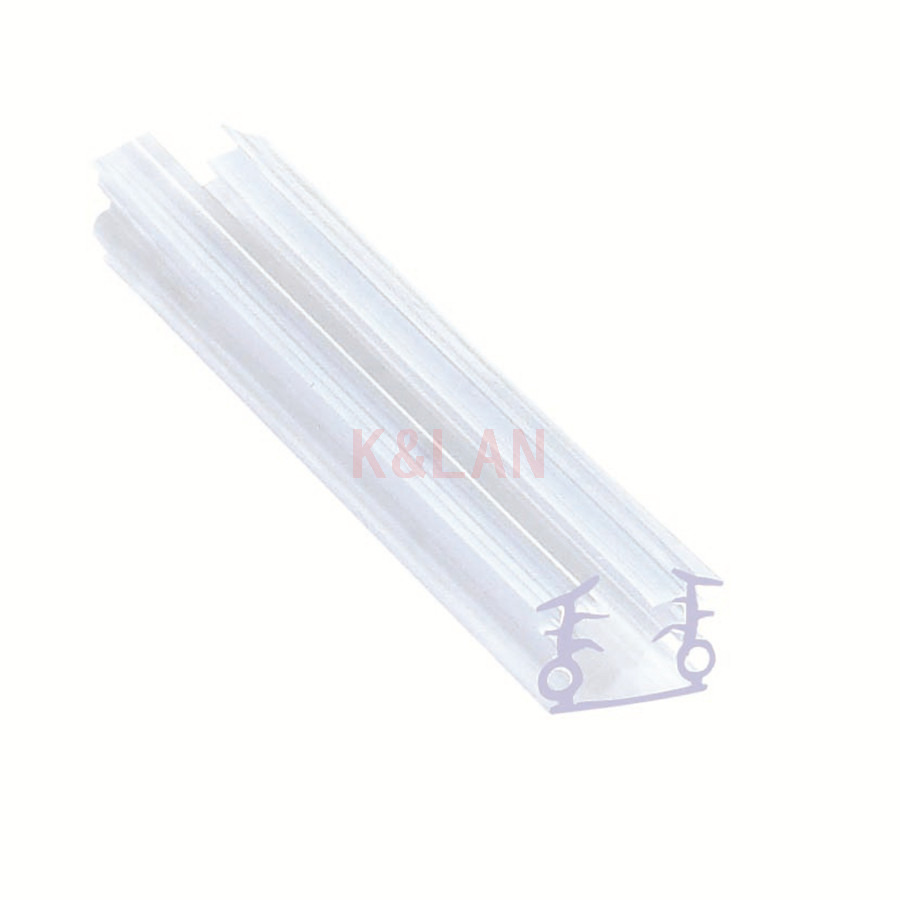
The choice of a shower seal is pivotal in maintaining a dry and safe bathroom environment. With the plethora of options available, including silicone, PVC, and magnetic suction seals, selecting the right one can be daunting. This article aims to elucidate the differences among these materials and guide you in making an informed decision. For those interested in exploring more about shower seals, the Shower Seal page offers extensive insights.
Silicone seals are renowned for their flexibility and durability. They are resistant to mold and mildew, making them ideal for wet environments. Silicone's elasticity allows it to conform to various shapes, ensuring a tight seal that prevents water leakage. Moreover, silicone seals are easy to install and maintain, requiring minimal effort to keep them in pristine condition.
A significant advantage of silicone seals is their ability to withstand temperature fluctuations without losing integrity. This makes them suitable for use in showers where hot and cold water are frequently used. However, silicone seals can be more expensive than other types, but their longevity often justifies the cost.
PVC seals are a popular choice due to their affordability and ease of installation. They are typically used in framed shower doors and provide a reliable barrier against water leakage. PVC is a lightweight material, making it easy to handle and cut to the desired size. It is also resistant to chemical damage, which is beneficial in environments where cleaning agents are frequently used.
Despite their advantages, PVC seals are less flexible than silicone, which can limit their application in certain shower designs. They may also become brittle over time, especially when exposed to extreme temperatures. Regular inspection and timely replacement are necessary to maintain their effectiveness.
Magnetic suction seals are primarily used in frameless glass shower doors. They utilize magnetic strips to create a tight seal that prevents water from escaping the shower area. These seals are known for their robust sealing capabilities and sleek appearance, making them a popular choice for modern bathroom designs.
The installation of magnetic seals is straightforward, and they provide a clean, unobtrusive look. However, they may require more frequent replacement compared to silicone or PVC seals due to wear and tear. Their effectiveness can also be compromised if the magnetic strips become misaligned.
When selecting a shower seal, several factors should be considered to ensure optimal performance and longevity. The type of shower door, material durability, ease of installation, and maintenance requirements are crucial aspects to evaluate.
For frameless glass showers, magnetic seals are often preferred due to their seamless integration and strong sealing capabilities. In contrast, framed showers may benefit from the affordability and ease of installation offered by PVC seals. Silicone seals, with their superior flexibility and resistance to environmental factors, are ideal for a wide range of applications.
Proper installation is key to the effectiveness of any shower seal. Ensure that the surfaces are clean and dry before applying the seal. Follow the manufacturer's instructions carefully to avoid common pitfalls. For those who prefer professional assistance, consulting a Shower Door manufacturer can provide valuable insights and services.
Regular maintenance is essential to prolong the life of your shower seal. Clean the seal with mild soap and water to prevent the buildup of soap scum and mold. Inspect the seal periodically for signs of wear and tear, and replace it if necessary to prevent leaks and maintain a hygienic bathroom environment.
Choosing the right shower seal is crucial for maintaining a dry and functional bathroom. By understanding the differences between silicone, PVC, and magnetic suction seals, you can make an informed decision that suits your specific needs. Regular maintenance and timely replacement will ensure that your shower remains leak-free and aesthetically pleasing. For more detailed information on shower seals, visit the Shower Seal page.
1. What is the best material for a shower seal?
Silicone is often considered the best material due to its flexibility, durability, and resistance to mold and mildew.
2. How often should shower seals be replaced?
It depends on the material and usage, but generally, seals should be inspected regularly and replaced every 1-2 years or when signs of wear appear.
3. Can I install a shower seal myself?
Yes, many shower seals are designed for easy DIY installation, but professional installation is recommended for complex setups.
4. Are magnetic seals suitable for all shower types?
Magnetic seals are best suited for frameless glass showers due to their sleek design and strong sealing capability.
5. What maintenance is required for shower seals?
Regular cleaning with mild soap and water, along with periodic inspections for wear and tear, is recommended.
6. Do silicone seals withstand temperature changes?
Yes, silicone seals are highly resistant to temperature fluctuations, making them ideal for showers.
7. Where can I find more information on shower seals?
For comprehensive details, visit the Shower Seal page.

