

Views: 0 Author: Site Editor Publish Time: 2025-12-19 Origin: Site


Have you ever noticed water leaking around your shower door? This simple issue can lead to costly water damage if not addressed quickly.
In this article, we’ll discuss why a shower seal is essential for maintaining your bathroom’s waterproofing and preventing leaks. You’ll learn a straightforward 3-step guide to install your shower seal correctly, ensuring your bathroom stays dry and functional for years to come.
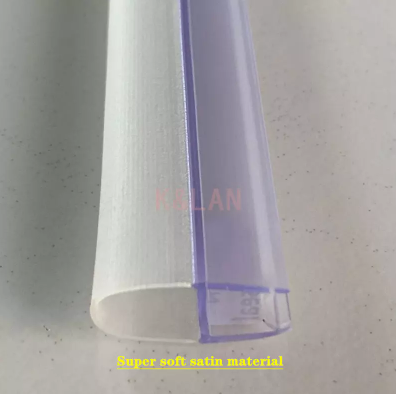
Shower seals are designed to block water from escaping the shower area. They sit along the edges of the shower door or enclosure, preventing water from splashing out and causing damage to the bathroom floor. This not only keeps the bathroom dry but also prevents the growth of mold, which thrives in wet conditions. A good seal ensures that water stays confined to the shower area, reducing the risk of mold growth and protecting your bathroom’s structural integrity. When water is properly contained, it can’t seep into the floorboards or walls, which could cause significant damage over time.
In addition to protecting the floor, shower seals also contribute to overall comfort. By preventing water from spilling out, they keep the bathroom dry and comfortable, eliminating the need for frequent cleanups after each shower. The seal ensures the shower area remains hygienic and free of standing water, which could otherwise lead to slips and falls. A dry bathroom is not only safer but also more pleasant to use, making your entire bathroom experience more enjoyable.
Installing a shower seal might seem like a small task, but it’s a cost-effective way to prevent long-term damage to your bathroom. A quality seal reduces the need for constant cleaning and prevents water from damaging the surrounding fixtures. Over time, this minimizes repair costs, extending the life of your bathroom materials and preventing costly water damage. Small leaks can be costly if not addressed quickly, leading to bigger repairs down the line, including wall or floor replacements.
Furthermore, installing a shower seal helps reduce maintenance expenses. By keeping water contained, you avoid issues like mold growth, water stains, and the need for frequent bathroom repairs. It’s an investment that not only improves the aesthetics of your bathroom but also protects your home’s value. A well-maintained bathroom will keep its appeal longer, potentially increasing the resale value of your home.
There are several types of shower seals designed for different needs, each serving a specific purpose in maintaining waterproofing. Here’s an overview of the most common types:
Bottom Seals: Often called “sweeps,” these seals run along the bottom of the shower door. They prevent water from escaping at the base, where the door meets the floor or tray. Bottom seals are one of the most essential components of a shower door setup, preventing the majority of water leakage.
Side Seals: These seals run vertically along the edges of the door, sealing the gap between the movable door and the fixed glass or wall. Side seals are important for ensuring that water doesn’t escape through the side of the door when it is closed.
Glass-to-Glass Seals: Found in frameless showers, these seals fill the small vertical gap where two pieces of glass meet at a corner, preventing leaks at the joint. These seals are specifically designed for frameless glass shower enclosures, ensuring a sleek and watertight finish.
Each type of seal is designed to handle different water flow points, so it’s essential to select the right one based on the type of shower door and your bathroom’s layout. For example, frameless shower doors may require glass-to-glass seals to maintain the clean, modern look while still providing effective waterproofing.
| Shower Seal Type | Description | Ideal Use | Material |
|---|---|---|---|
| Bottom Seals (Sweeps) | Runs along the bottom of the shower door to prevent water from escaping. | Essential for shower doors to prevent water leakage at the base. | PVC, Silicone |
| Side Seals | Installed vertically along the door edges to seal gaps between the door and wall. | Prevents water from escaping through side gaps in hinged or sliding doors. | PVC, Silicone |
| Glass-to-Glass Seals | Fills gaps where two glass panels meet, providing a watertight barrier. | Used in frameless shower enclosures where two glass panels meet at right angles. | Silicone, Rubber |
| Self-Adhesive Seals | Flexible seals with adhesive backing that sticks directly to the glass or tray. | Ideal for small gaps or low-profile showers with minimal clearance. | PVC, Silicone |
When choosing a shower seal, the material is just as important as the type. Two common materials for shower seals are PVC and silicone, each with its advantages:
| Material | Advantages | Disadvantages | Ideal Use |
|---|---|---|---|
| PVC | Durable, cost-effective, easy to install | Less flexible, can wear out faster in high-usage areas | Standard showers, budget-friendly |
| Silicone | Highly flexible, resistant to mildew, long-lasting | Slightly more expensive than PVC, may require more careful installation | Frameless doors, high-humidity areas |
The material you choose will depend on your shower’s design, your personal preference for flexibility, and the environment in which the shower is used. If you are installing a shower in a high-moisture area, silicone may be the better choice due to its resistance to mildew.
Before starting the installation, gather the necessary tools:
New shower seal
Utility knife or scissors
Measuring tape
Cleaning supplies (soap, water, and a cloth)
Begin by removing the old seal, if applicable. Gently pull it off the glass, being careful not to damage the surrounding areas. It is essential to properly remove any remnants of the old seal to ensure the new one fits perfectly. Once the old seal is removed, clean the area thoroughly. Soap scum, limescale, and mold buildup can prevent the new seal from adhering properly, so be sure to remove all debris. A clean, dry surface is essential for a strong bond with the new seal.
Accurate measurements are crucial for a snug fit. Measure the length of the area where the seal will go, ensuring that it’s slightly longer than needed for a proper overlap. This will allow for some flexibility in case of slight discrepancies in measurement. Use a utility knife or scissors to trim the new seal to the appropriate length. Ensure that the edges are cut cleanly to avoid gaps or uneven placement during installation.
It’s also essential to cut the seal straight. If the cuts are uneven or jagged, it could affect the seal's performance, causing water to escape. If you are unsure, always cut a little longer rather than too short. This way, you can trim it down for a perfect fit.
Install the new seal by placing it at the appropriate position on the shower door. If using a self-adhesive seal, press it firmly into place, ensuring it bonds securely to the surface. For non-adhesive seals, slide them into the designated track or groove. Make sure the seal is evenly aligned to avoid gaps. Once the seal is securely in place, test it by running water around the edges of the door. Ensure that no water leaks through the seal, making necessary adjustments if needed. This step is essential to ensure your shower stays dry and free from water damage.
One of the biggest challenges when installing a shower seal is dealing with narrow gaps. If the space between the door and the shower tray is too small for a traditional seal, opt for a self-adhesive bottom seal. These seals are flexible, low-profile, and can fit into tight spaces without the need for a U-channel or rigid structure. Self-adhesive seals provide a watertight solution for doors with minimal clearance and are particularly useful for frameless or low-profile shower trays.
Self-adhesive seals are easy to install and work well in situations where a traditional seal might not fit. They offer the flexibility needed to adapt to smaller gaps, ensuring a secure and lasting seal that doesn’t compromise on performance.
It’s important not to force a standard seal into a narrow gap, as this can lead to deformation and reduced effectiveness. If a seal feels too tight, consider trimming it to size or opting for a different type, such as a thinner self-adhesive seal. Forcing a seal into place can also damage the door or the seal itself, reducing its ability to keep water contained. Always ensure the seal fits snugly without unnecessary pressure, as this will provide the best results.
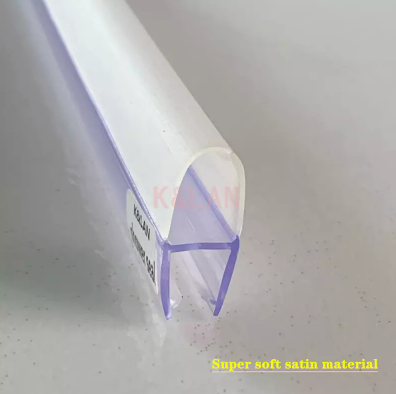
Leaks often occur due to improper installation. Common mistakes include:
| Mistake | Description | Solution |
|---|---|---|
| Incorrect Seal Size | Using a seal that’s too short or too long can result in leaks or gaps. | Measure carefully and trim if necessary. |
| Failure to Clean the Surface | Dirt and soap scum on the surface prevent proper adhesion. | Clean the surface thoroughly before installation. |
| Poor Adhesive Application | Applying too much or too little adhesive can lead to gaps or a weak bond. | Apply adhesive evenly and press firmly. |
| Forcing the Seal into Place | Forcing a seal into a tight space can cause deformation and improper sealing. | Ensure the seal fits properly without forcing it. |
To avoid these issues, ensure the surface is completely dry and clean before installation. Double-check the measurements and ensure the seal fits snugly without any gaps. If you’re using an adhesive, apply it evenly and allow it to set fully before using the shower. This will ensure a strong, waterproof bond that lasts for years.
Over time, shower seals can wear out due to exposure to water, cleaning chemicals, and heat. Signs that your seal needs replacing include:
Cracks or splits in the material
Loss of flexibility
Mold or mildew buildup
If you notice these signs, it’s time to replace the seal to maintain the waterproofing integrity of your shower. A worn-out seal will no longer perform efficiently, and if left unaddressed, it can lead to bigger water damage problems in your bathroom.
Proper installation of a shower seal is crucial for maintaining a dry, clean, and hygienic bathroom. It prevents leaks, water damage, and costly repairs, while reducing cleaning time. With the right seal, water stays inside the shower, keeping your bathroom dry and comfortable. By following this 3-step guide, your shower will remain watertight and efficient for years. KAILAN shower seal manufacturer offers high-quality seals designed for long-lasting performance, ensuring value and reliability for every bathroom installation.
A: A shower seal is a flexible strip that prevents water from escaping the shower area. It ensures the bathroom remains dry by blocking water from leaking onto the floor and fixtures.
A: To install a shower seal, clean the area, measure and cut the seal to size, then apply it to the shower door or enclosure. Follow the 3-step guide for an effective installation.
A: If you notice water leaking or your seal is cracked or damaged, it’s time to replace the shower seal. Regular wear and tear can compromise its effectiveness.
A: Silicone and PVC are common materials for shower seals. Silicone is more flexible and mold-resistant, making it ideal for high-moisture environments, while PVC is durable and cost-effective for standard showers.
A: Yes, self-adhesive shower seals work well for tight gaps. They provide a low-profile solution, ensuring a watertight seal without the need for traditional U-channels.
A: Common causes include poor installation, damage, or mold buildup. Ensure the shower seal is installed correctly, cleaned regularly, and replaced when necessary to avoid leaks.

