

Views: 0 Author: Site Editor Publish Time: 2025-08-29 Origin: Site


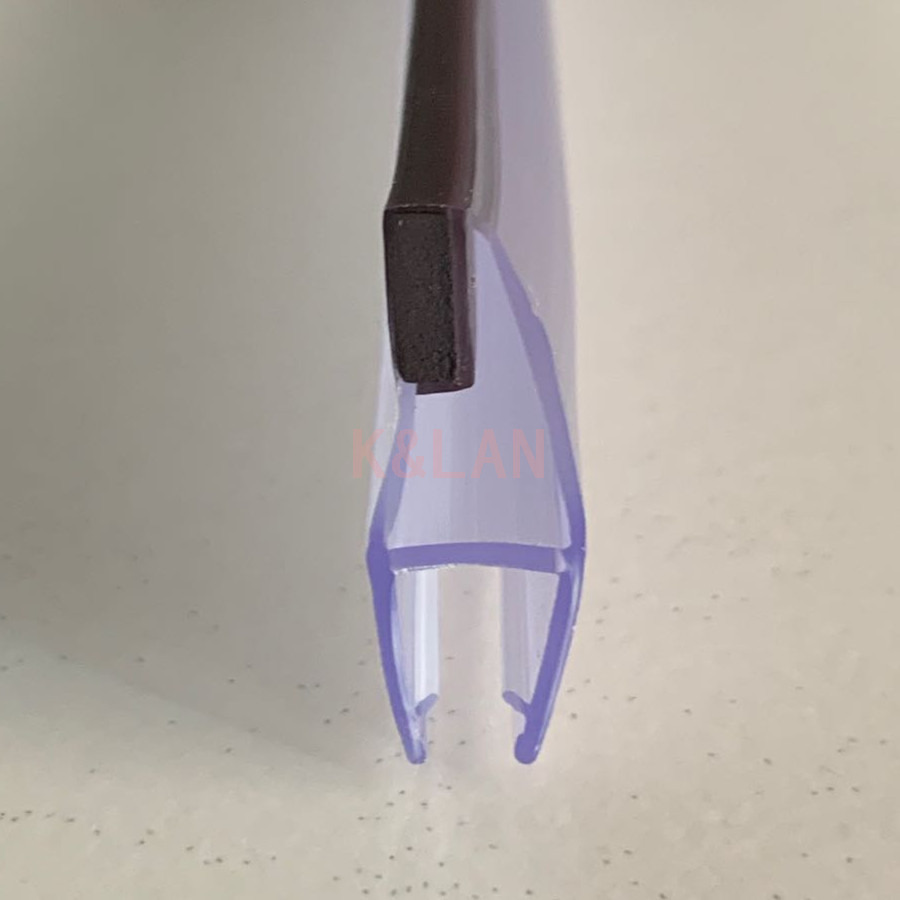
Bathroom renovation can be a daunting task, especially when it comes to choosing the right components that ensure both functionality and aesthetics. One such crucial component is the shower seal. A well-chosen shower seal not only prevents water leakage but also contributes to the overall hygiene and longevity of your bathroom. In this article, we will delve into the various types of shower seals, their importance, and how to choose the right one for your bathroom renovation in 2025. For more insights on shower seals, you can visit our detailed guide on Shower Seal.
Shower seals play a critical role in maintaining the integrity of your bathroom. They prevent water from leaking out of the shower area, which can lead to mold growth, damage to flooring, and other costly repairs. Additionally, a properly sealed shower door enhances the overall appearance of your bathroom and can increase the lifespan of your shower unit. A well-sealed shower not only prevents leaks but also improves the overall look of your bathroom. Shower seals are available in various designs and materials, allowing you to choose one that complements your bathroom décor.
Several types of shower seals are available on the market, each designed to address specific needs and preferences. Understanding the differences between these seals can help you make an informed decision when selecting the best one for your bathroom.
Magnetic shower door seals are commonly used for frameless glass showers. These seals use magnetic strips to create a tight, watertight seal between the shower door and the frame. Magnetic seals are easy to install and provide an effective barrier against water leaks. They are also available in various colors and finishes, allowing you to match them to your shower's design. Additionally, magnetic seals are known for their robustness and longevity, making them a cost-effective choice in the long run.
Rubber and vinyl seals are versatile and can be used for both framed and frameless shower doors. These seals are typically installed along the edges of the shower door, creating a flexible barrier that prevents water from escaping. Rubber and vinyl seals are durable, easy to clean, and resistant to mold and mildew, making them a popular choice for many homeowners. These seals are also known for their adaptability, fitting a wide range of shower door designs and sizes.
Bottom sweep seals are designed to be installed along the bottom edge of the shower door. These seals create a barrier that prevents water from leaking out of the shower area, particularly when the door is open. Bottom sweep seals are available in various lengths and materials, allowing you to choose one that fits your shower door perfectly. In addition to preventing leaks, bottom sweep seals also help reduce drafts, making your shower experience more comfortable.
Choosing the right shower seal involves considering several factors, including the type of shower door, the material of the seal, and your specific needs. Here are some tips to help you make the best decision:
The type of shower door you have will play a significant role in determining the best seal for your needs. Frameless glass showers, for example, typically require magnetic or rubber seals to create a tight, watertight barrier. Framed shower doors, on the other hand, may benefit from rubber or vinyl seals that can be easily installed along the edges of the door.
When selecting a shower seal, consider the material and its durability. Rubber and vinyl seals are known for their flexibility and resistance to mold and mildew, making them a popular choice for many homeowners. Magnetic seals, while effective, may require more frequent replacement due to wear and tear. Grout and silicone seals are durable and resistant to water damage, making them ideal for use in tiled showers.
Some shower seals are easier to install than others. Magnetic and rubber seals, for example, can often be installed without the need for professional assistance. Grout and silicone seals, on the other hand, may require more skill and precision to apply correctly. Consider your level of expertise and whether you are comfortable installing the seal yourself or if you need to hire a professional.
Regular maintenance and timely replacement of your shower seal are essential to ensure its effectiveness and longevity. Here are some tips to help you maintain your shower seal:
Regular cleaning is crucial to prevent mold and mildew growth on your shower seal. Use a mild detergent and a soft brush to clean the seal, removing any dirt and grime that may have accumulated. Avoid using harsh chemicals or abrasive cleaners, as these can damage the seal and reduce its effectiveness.
Periodically inspect your shower seal for any signs of damage or wear and tear. Look for cracks, tears, or gaps in the seal that could allow water to leak out. If you notice any damage, replace the seal promptly to prevent further issues.
Over time, shower seals can become worn out and lose their effectiveness. If your seal is damaged or no longer provides a watertight barrier, it is time to replace it. When replacing the seal, make sure to choose one that is compatible with your shower door and made from a durable material.
When selecting and installing a shower seal, there are some common mistakes that homeowners should avoid:
Selecting the wrong type of seal for your shower door can result in ineffective sealing and water leaks. Make sure to choose a seal that is compatible with your shower door and designed to address your specific needs. Consulting with a professional or doing thorough research can help you avoid this common mistake.
Improper installation of a shower seal can lead to gaps and leaks. Follow the manufacturer's instructions carefully and ensure that the seal is installed correctly. If you are unsure about the installation process, consider hiring a professional to do it for you.
Finding the right shower seal is essential for maintaining a functional and aesthetically pleasing bathroom. By understanding the different types of shower seals and considering factors such as the type of shower door, material, and ease of installation, you can make an informed decision and choose the best seal for your needs. Regular maintenance and timely replacement of your shower seal will ensure its effectiveness and prolong the lifespan of your shower unit. For more information on shower seals and other bathroom accessories, visit Shower Door manufacturer.
1. What is the primary function of a shower seal?
The primary function of a shower seal is to prevent water from leaking out of the shower area, thereby protecting the bathroom floor and walls from water damage.
2. How often should shower seals be replaced?
Shower seals should be inspected regularly and replaced every 1-2 years or when they show signs of wear or damage to ensure they remain effective.
3. Can I install a shower seal myself?
Yes, many shower seals, such as magnetic and rubber seals, can be installed without professional assistance. However, grout and silicone seals may require more skill and precision.
4. What materials are shower seals made from?
Shower seals are typically made from materials like rubber, vinyl, or magnetic strips, each offering different levels of durability and water resistance.
5. How do I choose the right shower seal for my bathroom?
Consider the type of shower door, the material of the seal, and your specific needs. Consulting with a professional can also provide valuable insights.
6. What are the benefits of using magnetic shower seals?
Magnetic shower seals provide a tight, watertight seal and are easy to install. They are known for their robustness and longevity, making them a cost-effective choice.
7. Why is regular maintenance of shower seals important?
Regular maintenance prevents mold and mildew growth, ensures the seal's effectiveness, and prolongs the lifespan of your shower unit.

