

Views: 0 Author: Site Editor Publish Time: 2025-12-19 Origin: Site


Have you noticed black spots or a musty smell around your shower seal? You're not alone. Over time, bathroom waterproof seals can become a mold breeding ground.
In this article, we will explore three simple ways to refresh your shower seal without the need for a full replacement. These tested methods will save you time, money, and effort while restoring a clean, healthy bathroom environment.
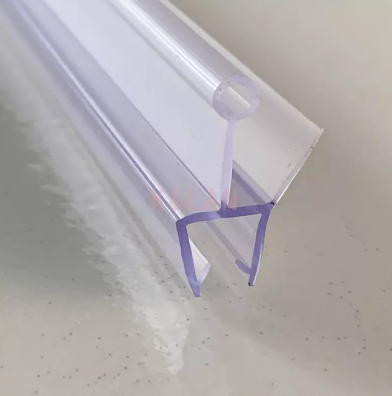
Mold is usually easy to spot once it starts taking over your shower seal. The most common signs include black spots or streaks that appear on the sealant, often accompanied by a musty smell. Mold may also appear as green, white, or yellowish patches, depending on the type. If you notice any of these signs, it's time to assess the situation and take action. Regularly inspecting your shower seals will help you catch early signs of mold before it has a chance to spread.
If you notice any visible discoloration or smell something musty, it’s crucial to act quickly. Mold growth can escalate rapidly if left untreated, spreading to other areas of your bathroom or creating further damage to your shower seal and surrounding materials. By addressing these signs early, you can prevent the mold from becoming a more significant problem.
Not all mold infestations are the same. Small patches of mold confined to the shower seal can often be handled with a DIY approach. However, if the mold covers a larger area (more than 10 square feet) or is located in hidden spaces like behind tiles or inside walls, it’s best to call in a professional. Mold can spread quickly and pose health risks, so it's important to evaluate the extent of the problem before deciding on the right course of action.
For large or toxic mold infestations, it’s crucial to seek help from an expert who can address the issue safely and thoroughly. Professionals have the necessary tools, expertise, and protective equipment to tackle mold in areas that may be inaccessible or dangerous to handle on your own.
Bathrooms are a prime environment for mold growth due to their naturally high humidity levels and frequent moisture exposure. Common causes of mold on shower seals include poor ventilation, leaking pipes, and insufficient cleaning. When moisture accumulates in the bathroom, it can seep into the shower sealant, where it combines with soap scum, body oils, and other residues. These organic materials provide a perfect food source for mold spores to thrive.
Fixing leaks promptly, improving bathroom ventilation, and ensuring that the bathroom is thoroughly cleaned and dried after each use will help reduce the likelihood of mold taking hold. A combination of these preventive measures can create an inhospitable environment for mold growth, helping to keep your bathroom clean and mold-free.
Here’s a quick overview of the most common causes of mold and how to prevent them:
| Cause | Description | Preventive Measure |
|---|---|---|
| High Humidity | Excessive moisture in the air from showers | Install an exhaust fan, use a dehumidifier |
| Poor Ventilation | Lack of airflow increases moisture retention | Open windows, use ventilation fans |
| Leaking Pipes | Water leakage behind walls or around fixtures | Inspect pipes regularly, fix leaks promptly |
| Infrequent Cleaning | Soap scum, body oils, and residues create a food source for mold | Clean regularly, use mold-resistant cleaners |
| Standing Water | Water accumulation on seals after showers | Dry the shower area with a squeegee or towel after use |
| Method | Materials Needed | Step Duration | Effectiveness | Safety Considerations |
|---|---|---|---|---|
| Vinegar and Baking Soda | White vinegar, Baking soda, Water | 30 minutes to 1 hour | Effective for light mold | Eco-friendly, safe for most surfaces |
| Bleach | Bleach, Water | 15-20 minutes | Strong for stubborn mold | Wear gloves, goggles, and mask; ventilate well |
| Commercial Mold Removers | Commercial mold cleaner | Varies by product | Strong for persistent mold | Follow instructions; test on a small area first |
For light to moderate mold issues, a simple mixture of white vinegar and baking soda can be very effective. Vinegar is a natural mold killer, and baking soda helps to scrub away the mold without damaging the sealant or surrounding areas. The combination of these two ingredients can penetrate and break down the mold while leaving your bathroom smelling fresh.
Mix two parts vinegar with one part water in a spray bottle.
Spray the solution generously onto the affected area of the sealant, ensuring it is covered well.
Let the solution sit for 30 minutes to an hour to allow the vinegar to break down the mold.
Scrub the area with a stiff brush or old toothbrush to dislodge the mold from the surface.
Rinse the area thoroughly with warm water to remove any leftover residue.
This method works well for preventing mold buildup in areas with light contamination and is safe for most surfaces. It’s an eco-friendly option that avoids harsh chemicals, making it a great choice for households with children or pets.
If the mold on your shower seal is persistent or has spread over a larger area, bleach can be a more powerful cleaning agent. Bleach kills a wide range of mold types and can restore the appearance of your shower seal, removing even the most stubborn mold spots. It is effective for use in areas where vinegar and baking soda might not be strong enough.
Mix one part bleach with four parts water in a spray bottle.
Apply the bleach solution directly to the moldy sealant, making sure to cover all affected areas.
Let the solution sit for 15-20 minutes to allow the bleach to penetrate the mold.
Scrub the area with a brush or toothbrush to remove the mold from the surface.
Rinse thoroughly with water to remove all bleach and mold residue.
Important: Always ensure that your bathroom is well-ventilated when using bleach. Wear gloves, goggles, and a mask to protect yourself from fumes and skin irritation. Bleach is a potent cleaner, so it’s important to handle it with care. Never mix bleach with ammonia or other cleaning agents to avoid dangerous reactions.
Commercial mold removers are specially formulated to tackle stubborn infestations that homemade solutions can’t always handle. These products are widely available in most home improvement stores and are designed for use on shower seals and other bathroom surfaces. Depending on the severity of the mold, a commercial cleaner might be necessary to ensure complete removal.
Choose a mold remover that is specifically designed for use on shower sealants.
Apply the cleaner according to the product’s instructions, usually by spraying it directly onto the moldy area.
Allow the cleaner to sit for the recommended time, then scrub the area thoroughly.
Rinse with warm water to remove any leftover cleaner or mold.
When using commercial products, always follow the manufacturer’s instructions carefully to avoid damage to the sealant. Additionally, always test a small, hidden area to ensure that the cleaner won’t cause discoloration or harm to the surface.
One of the most effective ways to prevent mold from returning is by cleaning your shower seals regularly. A deep clean once a month is recommended, but you should also wipe down the shower seals after each use to prevent moisture from accumulating. Using mold-resistant cleaning products that specifically target mold spores will help keep the surface clean. After cleaning, always dry the shower area thoroughly with a towel or squeegee to remove excess water. This simple habit will help keep your shower seals fresh and mold-free.
In addition to routine cleaning, always check for small signs of mold or mildew. Catching the problem early will make it easier to manage and reduce the need for heavy-duty cleaning.
Proper ventilation is essential in controlling the humidity levels in your bathroom. Installing an extractor fan and using a dehumidifier can help reduce moisture buildup, preventing mold growth on your shower seals. For bathrooms with poor ventilation, consider upgrading to a high-powered exhaust fan or using a dehumidifier during humid months. Opening windows after showers to allow the bathroom to air out also helps keep the humidity levels in check. This will help reduce the likelihood of mold growth, creating a fresher, cleaner bathroom environment.
When applying new sealant to your shower, consider using a mold-resistant version. These sealants contain additives that help prevent mold growth and can last longer than regular sealants. Mold-resistant sealants provide an extra layer of protection and are worth the investment, especially in bathrooms with high humidity. Opt for high-quality, mold-resistant silicone sealants for long-term protection.
Preventing mold starts with moisture control. Regularly inspect your bathroom for leaks, especially around plumbing fixtures and pipes. Even small leaks can contribute to mold growth over time. Check around faucets, showerheads, and the base of your tub for leaks. Repair leaks promptly to stop water from collecting under your sealant. Keeping the bathroom as dry as possible is essential to stopping mold before it starts.
If you're installing or replacing your shower seal, choose a silicone-based sealant specifically designed to resist mold. These products are typically more durable and water-resistant, helping prevent mold problems in the future. Opt for a high-quality, mold-resistant silicone sealant for long-term protection. Ensuring that the sealant is waterproof and mold-resistant will go a long way in keeping your bathroom free from mold and moisture.
Encourage your household members to form habits that will reduce mold risk, such as wiping down surfaces after showers, using a squeegee to remove water from the walls, and leaving the bathroom door open after showers to improve airflow. These small, consistent habits, like wiping down the shower after each use, can prevent mold from taking hold in the first place. Establishing a routine of maintaining your bathroom’s cleanliness will make a significant difference in the long run.
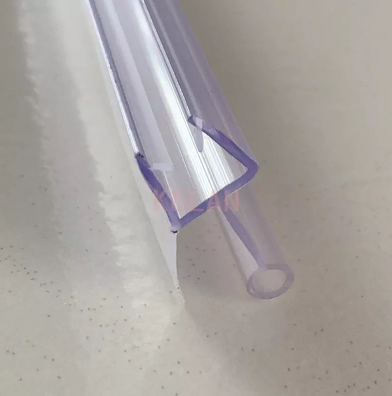
Routine maintenance and regular checks on your shower seals can save you from expensive repairs down the line. Proactive cleaning and sealing ensure your bathroom remains free of mold, which could otherwise lead to more serious structural issues. Spending a small amount of time on monthly maintenance can prevent costly repairs and improve your bathroom's longevity. Regularly maintaining your shower seal will also protect the overall condition of your bathroom, reducing the need for future renovation work.
Mold in the bathroom is more than just an aesthetic issue. Exposure to mold can cause a range of health problems, particularly for individuals with allergies, asthma, or weakened immune systems. Mold can irritate the eyes, skin, and respiratory system. If mold is left untreated for too long, it can exacerbate health problems, particularly breathing difficulties. Always address mold issues quickly to safeguard your health and well-being.
Proper care of your shower sealant helps ensure its waterproof capabilities, preventing leaks and water damage. Maintaining the integrity of the sealant also ensures that your bathroom remains safe, dry, and mold-free for years to come. Check the condition of your shower seals annually to catch any signs of damage or wear before it becomes a problem. Regular maintenance ensures that your bathroom is always in top condition and protected from potential mold issues.
Moldy shower seals don’t have to be a cause for panic. With the right tools, you can refresh your existing sealant without a full replacement. Use vinegar and baking soda for mild mold, bleach for tough stains, or commercial cleaners when necessary. Regular cleaning, moisture control, and choosing the right sealant ensure a mold-free bathroom.
Consistency is key—take proactive steps to keep your shower seals clean and mold-free. Products like those from KAILAN shower seal manufacturer offer reliable solutions for preventing mold, ensuring long-term performance and value for your bathroom.
A: Mold on your shower seal is typically caused by high humidity, poor ventilation, and moisture accumulation. These conditions allow mold to thrive, feeding on soap scum, body oils, and other residues. Regular cleaning and proper ventilation can help prevent mold growth.
A: Yes, you can easily refresh your shower seal. Using natural solutions like vinegar and baking soda or stronger cleaners like bleach can effectively remove mold. Regular maintenance will keep your shower seal mold-free and maintain its waterproof properties.
A: You can remove mold from your shower seal using a mixture of vinegar and baking soda for mild cases or bleach for more stubborn mold. Commercial mold removers are also effective. Ensure the area is dry and ventilated after cleaning.
A: Your shower seal may turn black due to mold growth, which thrives in damp, high-humidity environments. Regular cleaning and drying of the shower seal after use can prevent mold buildup, keeping it clean and functional.
A: To keep your shower seal mold-free, it’s recommended to clean it monthly. For high-humidity areas, wipe the seal down after every use to prevent moisture buildup and mold growth.

