

Views: 0 Author: Site Editor Publish Time: 2025-11-15 Origin: Site


Choosing the right bath shower seal is crucial for keeping your bathroom dry and mold-free. A proper seal prevents water leaks and damage to your bathroom surfaces. In this guide, we’ll explore different types of bath shower seals, how to select the right one, and tips for installation and maintenance.
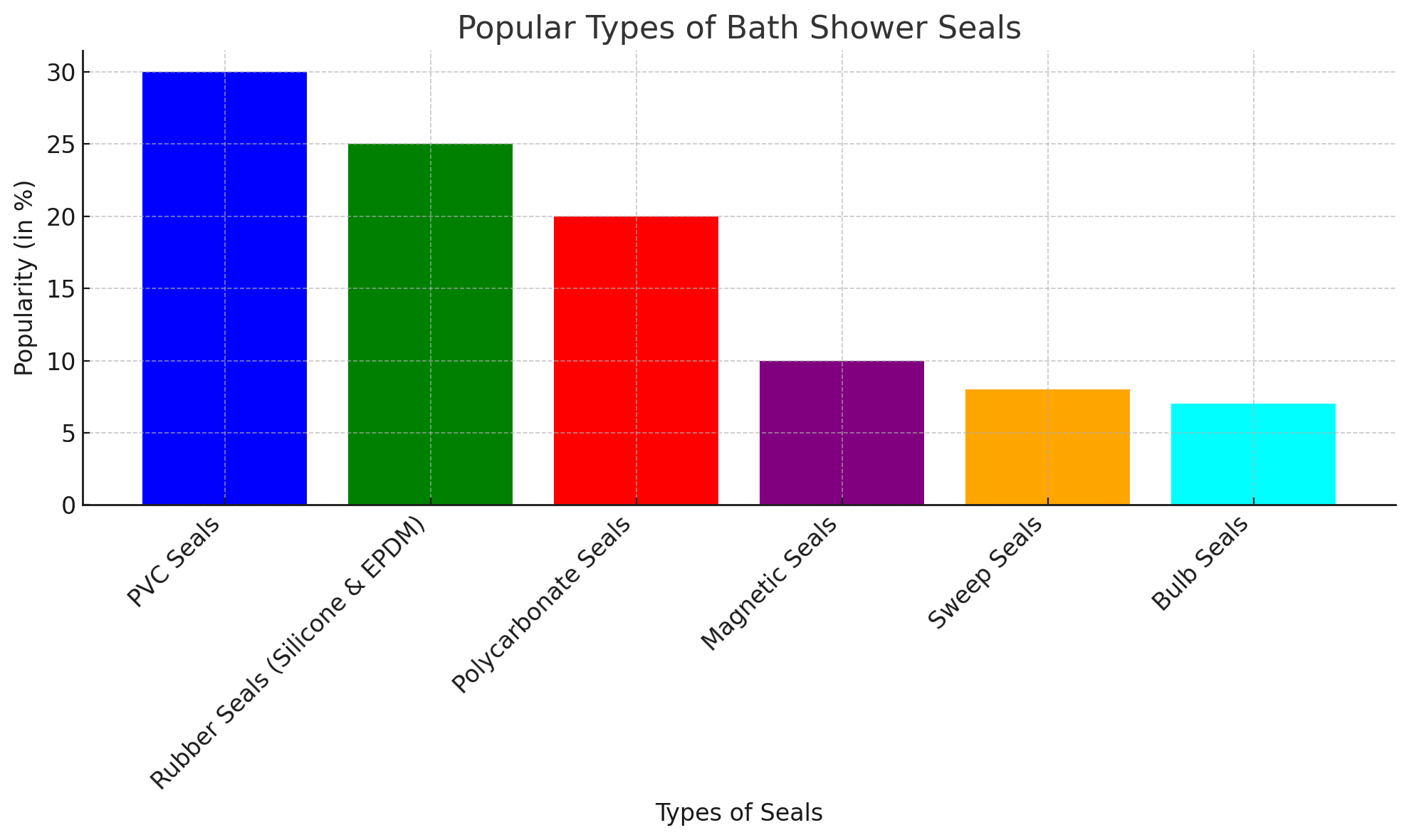
PVC seals are a popular choice due to their affordability and flexibility. They are great for budget-conscious projects, offering a quick installation process. However, they are more prone to discoloration when exposed to direct sunlight, so they are better suited for areas that are not exposed to harsh environmental conditions.
Rubber seals, particularly silicone and EPDM, are highly water-resistant and durable, making them ideal for custom designs or commercial applications. Silicone seals are flexible and perfect for wet areas, while EPDM seals are more chemically resistant, suitable for gyms, spas, and other high-use environments. These seals offer a long lifespan and require less frequent replacement.
Polycarbonate seals are known for their clear, rigid appearance, making them perfect for high-end bathroom designs. They work well in upscale homes and boutique hotels, especially when paired with frameless shower doors. While polycarbonate seals are aesthetically pleasing, they are more expensive compared to other materials.
Magnetic seals are commonly used with frameless shower doors. They create a tight seal by attracting to metal components, preventing water leakage. These seals offer exceptional water resistance and smooth operation, making them ideal for modern bathrooms with frameless or glass shower doors.
Sweep seals are used to prevent water from leaking from the bottom of the shower door. They are essential for protecting flooring in hotels or residential bathrooms. These seals are easy to maintain and replace, ensuring long-term functionality without much effort.
Bulb seals are flexible, making them ideal for custom door designs or hinge doors. These seals compress when pressed to seal gaps effectively, ensuring a watertight enclosure even in irregular spaces. They are versatile and can adapt to a variety of shower door configurations.
Bottom seals are installed at the base of the door, preventing water from escaping the shower area and leaking onto the floor. These seals are crucial in areas with high foot traffic, such as gyms or pool facilities, where maintaining a dry floor is a priority.
Side seals are used to seal the vertical junctions between the door and wall or adjacent glass panels. They are important for maintaining the structural integrity of the shower enclosure and preventing water leakage in all shower types.
Top seals are used at the top of the door to prevent steam from escaping. These seals are particularly useful in high shower installations and help control moisture in the bathroom. They are not always necessary but are essential in bathrooms where steam control is a priority.
The type of shower door you have—whether framed, frameless, or sliding—will significantly influence your choice of bath shower seal. Each door type requires different sealing solutions to ensure the best performance. For example, frameless doors work best with magnetic seals, while sliding doors may need a specific U-shaped or channel seal.
Consider the humidity levels in your bathroom and potential exposure to cleaning chemicals. Seals made from silicone or EPDM are resistant to these conditions and are perfect for areas exposed to high moisture levels. In contrast, PVC seals are more prone to deterioration in extreme conditions, making them less ideal for areas like steam showers or bathrooms with high humidity.
When choosing a bath shower seal, balance both functionality and aesthetics. Choose a transparent seal for a sleek, modern look or opt for a colored seal to match your bathroom theme. Also, consider how the seal complements the overall design of your shower area, whether it's a frameless glass shower door or a traditional framed door.
Accurately measuring the length and gap size is crucial for choosing the right bath shower seal. Use a tape measure to measure the door’s length and the gap between the door and the wall. This will ensure you buy a seal that fits snugly. Additionally, knowing the thickness of your glass will help you choose the correct seal type.
Once you have the right seal, it’s time for installation. Begin by cleaning the area where the seal will be placed, ensuring it is free from any dirt, soap scum, or old adhesive. Follow the manufacturer's instructions for applying the seal, as each type may have specific installation methods. For most seals, simply press them into place along the edges of the door.
● Improper Alignment: Ensure the seal is straight and correctly aligned along the edges to prevent gaps.
● Incorrect Measurement: Double-check the length of the seal before installation. It’s easier to trim excess length than to stretch the seal.
● Not Cleaning the Surface: Dirty surfaces can prevent the seal from adhering properly, leading to water leakage.
To keep your bath shower seal in good condition, clean it regularly with a non-abrasive cleaner to remove soap scum, mildew, and mold. Use a microfiber cloth or soft sponge to prevent damage to the seal's surface. This will help ensure the seal remains effective for a long time.
Inspect your bath shower seal every few months for signs of wear or damage. Look for cracks, tears, or areas where the seal may have come loose. Timely repairs will help prevent water leakage and ensure your bathroom remains protected from moisture damage.
If you notice the seal is cracked, discolored, or no longer fits properly, it’s time to replace it. Seals that have outlived their usefulness may not provide the necessary protection against leaks, compromising your bathroom’s integrity.
A properly chosen and installed bath shower seal helps prevent leaks, which can cause extensive water damage to your bathroom floors, walls, and surrounding areas. This will save you from expensive repairs down the line.
Maintaining a clean and functional bath shower seal ensures a hygienic environment in your bathroom. Seals prevent mold, mildew, and bacteria growth by keeping water contained, leading to a cleaner, healthier bathroom.
By choosing the right seal and performing regular maintenance, you can reduce the frequency of repairs and replacements, ultimately saving money over time. A high-quality seal lasts longer, reducing the need for replacements and minimizing downtime.
Choosing the right bath shower seal is crucial for a dry, clean, and functional bathroom. Consider factors like door type, material, and environmental conditions to select the best seal. Regular cleaning and inspections will extend the seal's lifespan and prevent costly repairs. For expert help, KAILAN shower seal offers durable, high-quality seals that provide excellent protection for your shower doors.
A: A bath shower seal is a waterproof strip that prevents water from leaking between the shower door and the wall or floor, keeping your bathroom dry and hygienic.
A: Consider factors like door type, material (PVC, silicone, etc.), and the environmental conditions of your bathroom to select the best bath shower seal for your needs.
A: It's recommended to replace your bath shower seal every 1-2 years, or sooner if you notice cracks, discoloration, or leaks.
A: Silicone seals are flexible and water-resistant, while polycarbonate seals are clear and durable, perfect for high-end bathrooms. Choose based on your aesthetic and functional needs.
A: Yes, installing a bath shower seal is a straightforward DIY task. Just make sure to measure correctly, clean the surface, and follow the manufacturer's instructions.
A: Clean your bath shower seal regularly with non-abrasive cleaners and inspect it for wear. Replacing it when needed will keep your bathroom safe from leaks.


