

Views: 0 Author: Site Editor Publish Time: 2025-12-28 Origin: Site


Have you ever struggled with water leaks in your bathroom? A poorly chosen shower seal could be the culprit. Shower seals are essential for keeping water contained within the shower enclosure and preventing leaks.
In this guide, we will help you navigate the common pitfalls when buying shower seals. You'll learn how to avoid costly mistakes and select the perfect seal for your shower needs.
| Material | Advantages | Disadvantages | Best For |
|---|---|---|---|
| Rubber | Flexible, durable | Can wear out quicker with heavy use | Seals for doors with slight movement |
| PVC | Lightweight, affordable | Less durable, may yellow over time | Budget-friendly options, low traffic |
| Silicone | High water resistance, long-lasting | More expensive, can be harder to fit | Long-term use, high moisture areas |
At first glance, many shower seals may appear identical, especially when they are placed side by side on the shelf. However, they are not one-size-fits-all solutions. The type of shower door—whether it’s sliding, hinged, or frameless—greatly influences the type of seal you need. A seal that works perfectly for a sliding shower door might not be suitable for a hinged door, and vice versa. The design of the door frame and the way the door operates will dictate which seal provides the best fit and functionality.
For example, hinged doors require a seal that can compress slightly when the door is closed, creating a tight seal. On the other hand, sliding doors may need seals that offer a more flexible, slip-resistant fit, preventing water from escaping through the gaps. Therefore, it is important to know the type of shower door you have and select the appropriate seal designed for that specific door.
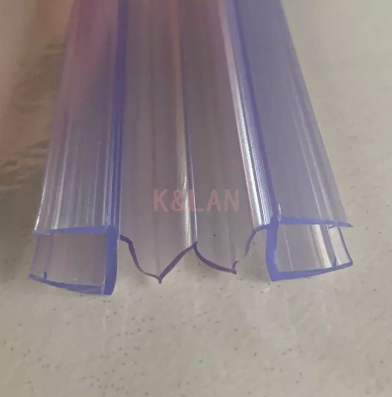
Choosing the correct size and material of the shower seal is just as important as selecting the right type. Different materials like rubber, PVC, and silicone are used for shower seals, and each material has its advantages and disadvantages. Rubber seals are flexible and durable, while PVC is lighter and more affordable. Silicone, on the other hand, is highly resistant to moisture and offers superior longevity, making it an excellent choice for a long-lasting, waterproof seal.
In addition to material, the size of the seal must match the gap between the door and the shower frame. If the seal is too small, it won’t cover the gap properly, leading to water leakage. If the seal is too large, it may be difficult to install or could become damaged over time. Proper sizing is critical to ensure a snug fit and long-lasting performance.
To ensure you select the right shower seal, you need to measure both the thickness of the shower glass and the gap that the seal will cover. Glass thickness is particularly important because the seal must fit around the glass without being too loose or too tight. Additionally, the gap between the door and the frame must be measured accurately to ensure a perfect seal.
Start by measuring the thickness of the glass at multiple points to ensure consistency, as glass can shift or warp over time. Then, measure the gap between the door and the frame at both ends, as this may vary. Once you have accurate measurements, you can choose a seal that is designed for that specific thickness and gap size. It’s always best to measure twice to ensure you get it right.
Proper measurements are key to selecting the right seal size. Never assume a "one-size-fits-all" approach, as it can lead to frustration and added costs in the long run.
| Glass Thickness (mm) | Compatible Seal Type | Seal Range |
|---|---|---|
| 6 - 8 | Soft Rubber, PVC | 6-8 mm |
| 8 - 10 | Silicone, Magnetic | 8-10 mm |
| 10+ | Heavy Duty Silicone, PVC | 10-12 mm |
One of the most common mistakes when purchasing shower seals is overlooking the thickness of the glass. The thickness of the glass plays a critical role in determining which seal will fit properly. For example, if you use a seal designed for 6mm thick glass on a 10mm thick door, the seal may not fit correctly. It could either be too loose and fall off or too tight and cause installation problems.
Most shower seals are designed to fit specific glass thickness ranges, such as 6-8mm, 8-10mm, etc. If you use a seal that doesn’t match the glass thickness, it won’t create a proper seal, which leads to water leakage and potential mold growth. Always check the product specifications to ensure the seal is compatible with your glass thickness.
Using a seal that doesn't fit your glass thickness properly can lead to several issues. A poor fit will not only make installation more difficult but can also result in leaks, which could cause significant water damage over time. For example, if the seal is too small, it may not cover the entire gap, allowing water to escape. If the seal is too large, it could create an uneven fit that causes the door to drag or not close properly.
In addition to water leaks, an incorrect seal can lead to long-term damage to both the shower door and the frame. The seal could put pressure on the glass, causing it to crack or break. Furthermore, leaks can lead to mold, mildew, and other costly bathroom repairs.
To select the right seal, you first need to measure the thickness of your glass carefully. Many seals come with a range of thicknesses, such as 6-8mm or 10-12mm, so it’s essential to choose a seal that matches your measurements. Be sure to check the product’s specifications before purchasing to avoid selecting the wrong type.
When in doubt, choose a seal that is specifically labeled for your glass thickness. This will save you time, effort, and potential issues down the road.
| Seal Type | Application | Advantages |
|---|---|---|
| Magnetic Seals | Hinged doors | Strong, keeps door tightly closed |
| Rubber Seals | Sliding or curved doors | Flexible, easy to install |
| Bulb Seals | Bottom of sliding doors | Good for creating a waterproof barrier |
| Brush Seals | Sliding or hinged doors | Ideal for preventing dust and moisture |
Shower seals come in a variety of types, each designed for specific uses. Magnetic seals are often used for hinged doors because they provide a secure seal that helps keep the door shut, preventing leaks. On the other hand, soft rubber seals are more commonly used on sliding or curved doors, where a flexible and waterproof barrier is needed to stop water from seeping through the edges.
Choosing the wrong type of seal for your door can cause frustration and lead to leaks. For example, using a rigid seal designed for a hinged door on a sliding door will result in poor performance, as it won't conform to the gaps and contours of the sliding door.
The type of door frame and the size of the gap between the door and the frame are critical factors in choosing the right seal. Hinged doors, which swing open, require seals that can compress slightly to create a tight fit. Sliding doors, which move along a track, require seals that are flexible enough to prevent water from escaping through the gaps when the door slides open.
Additionally, the size of the gap will influence the type of seal you need. A larger gap requires a thicker seal, while a smaller gap needs a thinner one. Ensure that the seal you choose is specifically designed to fit the gap size of your shower door.
Improper placement of the shower seal is another common mistake. Even if you have the right type of seal and the right size, incorrect placement can lead to leaks. For example, placing the seal too high or too low on the door frame may create gaps, allowing water to leak through. It’s important to place the seal at the correct position, ensuring it forms a tight seal when the door is closed.
Always double-check the placement of your seal before installation. Misplacing it by just a few millimeters can lead to long-term leakage problems.
Cutting a shower seal to the correct length is another critical step in the installation process. If the seal is too short, you’ll leave a gap where water can escape, leading to leaks. On the other hand, if the seal is too long, it may drag on the floor, causing unnecessary friction and potentially damaging the seal or shower door. A seal that doesn't fit properly can create long-term issues, including leaks, water damage, and wear.
When cutting a shower seal, precision is key. Measure the length carefully and mark where you need to cut. It’s always a good idea to leave a little extra length and trim it gradually, so you can make adjustments as needed. Use sharp scissors or a garden shear to ensure clean, even cuts. Avoid using a dull tool, as this can damage the seal and make installation more difficult.
Before cutting, test the seal’s fit by temporarily placing it along the edges of the door and frame. This will allow you to check if the seal fits properly and make any necessary adjustments before making permanent cuts. Taking the time to test and measure carefully will help you avoid wasting materials and ensure a perfect fit.
Cut your seal slightly longer than needed and trim gradually. This ensures you don’t cut too much and can adjust as needed.
| Step | Action |
|---|---|
| 1. Measure Glass | Measure the thickness of the glass at multiple points |
| 2. Measure Gap | Measure the gap size between the door and the frame |
| 3. Trim Seal | Trim the seal slightly longer than needed, then adjust gradually |
| 4. Test Fit | Test the seal's fit before final installation |
| 5. Clean Surface | Clean the installation area thoroughly before applying the seal |
The surface where the seal will be attached must be clean, dry, and smooth for the seal to adhere properly. If the glass or shower frame is dirty, wet, or uneven, the seal won’t stick as effectively, and this can lead to leaks. Soap scum, mildew, and old adhesive can prevent the new seal from bonding properly, compromising its performance.
Before installing a new shower seal, thoroughly clean the edges of the glass and the surrounding frame to ensure they are free from dirt, soap scum, and debris. Use a gentle cleaner to avoid damaging the surface, and dry the area completely before proceeding with installation. A clean surface creates a secure bond for the seal, helping it perform better and last longer.
A clean installation surface ensures better adhesion and performance of the shower seal. When the seal adheres properly, it will function effectively, keeping water contained within the shower enclosure and preventing leaks. A well-installed seal will last longer, reducing the need for frequent replacements.
Always clean the installation area thoroughly before fitting the new seal. A clean surface is essential for a long-lasting, leak-free shower.
This guide highlights the five most common mistakes people make when buying and installing shower seals. By understanding proper measurements, seal types, and installation techniques, you can avoid costly errors.
Measure your glass thickness and gap size carefully, choose the correct seal material and type, and install with precision. Regularly check the seal’s condition and replace it when necessary.
Shower seals aren’t designed to last forever. Regular maintenance and timely replacements help prevent leaks and water damage, ensuring your shower enclosure remains in excellent condition. Replacing your seal every 1-2 years is a good rule of thumb for maintaining a leak-free shower.
For long-lasting and reliable solutions, consider KAILAN shower seal manufacturer, known for their high-quality products and exceptional service, ensuring you get the best value for your shower seal needs.
A: A shower seal is a crucial component that prevents water from leaking outside your shower enclosure. It ensures that water stays within the designated area, preventing water damage and mold growth.
A: To select the right shower seal, measure your glass thickness and gap size. Choose a material and type suited for your door frame, such as rubber or silicone, and install it precisely to avoid leaks.
A: Leaks often occur due to improper measurements, an incorrect seal type, or poor installation. Ensure your seal is the right size, material, and properly placed to prevent leaks.
A: Shower seals should typically be replaced every 1-2 years. Regular maintenance and timely replacement help maintain a leak-free shower and prevent water damage.
A: No, different door types require specific shower seals. Hinged doors need seals that compress slightly, while sliding doors require seals that prevent water from seeping through edges.
A: Silicone shower seals offer high water resistance and longer lifespan compared to other materials like rubber or PVC. They are ideal for preventing water leaks and providing durable protection in high-moisture environments.

